Track & Trace
en
Search
Login
Track & Trace
Languages
Logins

Middle East service disruptions

Last updated: Friday 18 September 2026 at 13:30 CET

Originally published: Monday 2 March 2026

Röhlig Logistics is monitoring developments in the Middle East and their impact on global supply chains. Operating conditions remain subject to change, and shipment-specific routing, capacity and transit times should be confirmed before booking.

Key takeaways

Air and sea freight operations across parts of the Middle East remain restricted. Vessel movements through the Strait of Hormuz remain subject to operational and security-related restrictions. Several airlines and carriers are operating revised schedules, limited services or alternative routings. Additional operational, fuel, emergency and risk-related surcharges may apply on affected trade lanes. Röhlig is assessing impacted shipments and reviewing alternative solutions where available.
Look­ing for help?

The situation remains subject to change. Röhlig can review shipment-specific routing, capacity, transit-time and documentation requirements with customers. Available solutions depend on the origin, destination, cargo type, carrier, service level and current operating conditions.

We welcome the opportunity to discuss current requirements by phone, email or in person.

Find office contacts

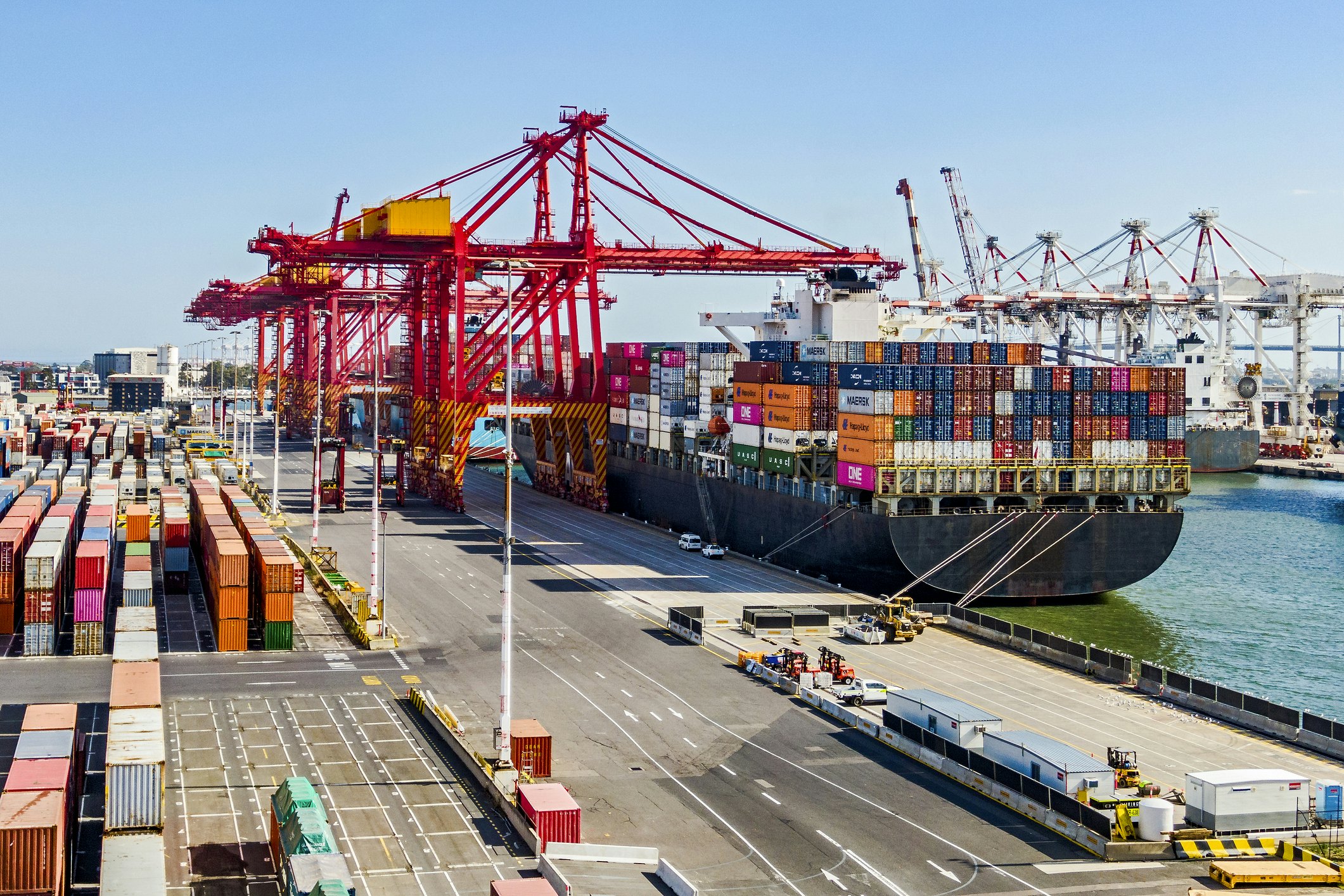
Sea Freight up­dates in the Middle East

  • Maersk continues to provide selected multimodal solutions through ports and landbridges in the region. However, booking and acceptance conditions now vary by cargo type and destination. Restrictions apply to a number of shipments involving the UAE, Iraq, Kuwait, Qatar, Bahrain, Saudi Arabia, Jordan and Oman. Alternative routings via Jeddah, Salalah, Sohar, Khor Fakkan, Fujairah and Jebel Ali are subject to capacity and operational feasibility. Maersk has also introduced emergency freight and operational cost-recovery charges for selected shipments. Further details are available in Maersk’s latest operational update.
  • Hapag-Lloyd continues to monitor the region. Its latest update reports ad hoc vessel operations at Jebel Ali, congestion at Jeddah and Salalah, and delays at selected Upper Gulf terminals. Vessel calls and routings may change, and cargo planning should be confirmed through the Hapag-Lloyd Live Ticker and local customer service teams.
  • CMA CGM continues to offer multimodal contingency solutions using feeder services, bonded landbridges and inland transport. Import and export bookings for selected Middle East destinations have been reopened subject to the applicable cargo and routing conditions. Emergency fuel surcharges and dangerous goods surcharges remain applicable on selected trades. Further information is available in CMA CGM’s Middle East updates.
  • Ocean Network Express (ONE) continues to publish operational updates and temporary arrangements relating to empty-container returns and regional services. Booking acceptance, equipment availability and return locations should be confirmed with ONE before shipment planning. Further information is available in ONE’s Middle East updates.
  • ZIM reports that its local terminals in Ashdod and Haifa are operating and that vessels continue to call at Israeli ports. Dangerous goods movements remain subject to local authority requirements and may change at short notice.
  • COSCO Shipping Lines has published multimodal booking and routing information for selected Middle East destinations. Booking acceptance, cargo type and routing remain subject to current carrier confirmation. Further information is available on the COSCO Shipping Lines news page.
  • Jebel Ali and other regional ports remain operational, but selected terminals and services are operating with restrictions, congestion or ad hoc vessel calls.
  • Additional distance, transhipment, storage and inland movements may extend transit times.
  • Carriers may apply emergency, fuel, operational, security-related or risk-related surcharges on affected trade lanes. Please check the applicable carrier advisory before booking.

Air Freight up­dates in the Middle East

Airline Status
Emirates Airlines Emirates SkyCargo is operating to 137 destinations in 72 countries, with freighter services to 55 destinations. Shipments are accepted on available flights, subject to capacity. Transit cargo via Dubai remains possible where onward connections are confirmed and operational. Additional restrictions may apply to selected dangerous goods.
Etihad Airways Etihad Airways is operating an expanded but phased schedule serving more than 120 destinations worldwide. Some routes remain subject to limited availability, operational restrictions and short-notice changes.
Qatar Airways Qatar Airways Cargo has gradually increased freighter operations to and from Doha. Freighter services to Dubai World Central and Sharjah have resumed, while passenger services to Dubai and Sharjah are operating. Flights use designated routes and remain subject to change.
Cargolux Cargolux continues to suspend Middle East stops except Muscat until further notice.
Lufthansa Cargo Lufthansa Group is gradually resuming selected Middle East services. Lufthansa resumed three weekly flights between Frankfurt and Riyadh on 10 September 2026. Other regional services remain subject to review and schedule changes.
Cathay Group Cathay Pacific’s passenger services to Dubai and Riyadh remain postponed until late October 2026. The planned Riyadh freighter restart remains under review.

Information on Röhlig Middle East

For updates on current bookings and ongoing shipments, please contact the Röhlig United Arab Emirates team.

Please confirm new bookings directly with the relevant carrier, as acceptance, routing, capacity and cargo restrictions may change at short notice.

Röh­lig ex­pands Air Freight ca­pa­city to sup­port EU­–Ocean­ia cargo

With ongoing disruptions across the Middle East impacting traditional air freight transit routes, Röhlig Logistics has expanded controlled air freight capacity by up to three times, helping customers maintain supply chain continuity.

Our teams have acted quickly to implement immediate contingency solutions including:
• Dedicated 747 freighter charter capacity
• Expanded commercial air freight uplift
• Alternative routing options bypassing affected hubs

During times like these, our focus remains simple: supporting customers with practical solutions and dependable logistics expertise.

After the first interactions with our customers over the weekend and based on their additional space requests, our airfreight team acted very fast by arranging a couple of charters in order to offer scalable capacity from Europe for the next two weeks. The demand over the last couple of days has even surpassed our expectations and we are glad to offer solutions to our customers on very short notice.

Thomas Hansen
CEO - Oceania and Southeast Asia
Röhlig Logistics

FAQ - Middle East service disruption

What is the current status of freight operations in the Middle East?

Air and Sea freight operations across the Middle East are significantly disrupted. Partial airspace closures and operational restrictions are affecting air cargo capacity, while sea freight movements are impacted due to the closure of the Strait of Hormuz and related precautionary measures.

How is Air Freight affected in the Middle East?

While airlines have recovered some services, operations are still not at full capacity due to instability in the Middle East.

Is the Strait of Hormuz open for vessel traffic?

Vessel transit via the Strait of Hormuz remains disrupted, which may result in route diversions and delays.

Are UAE ports operating normally?

Jebel Ali port is operational, however operations face challenges due to reduced inbound vessel traffic in the region.

Are carriers applying additional charges?

Emergency operational surcharges and war-risk premiums may be implemented on affected trade lanes due to rerouting, extended transit times, and elevated risk levels.

Disclaimer

All information is provided in good faith for guidance and reference purposes only. It is of a general informational nature, and Röhlig Logistics GmbH & Co. KG takes no legal responsibility for the accuracy of the information provided via this document. Röhlig Logistics GmbH & Co. KG makes no representation as to the accuracy or completeness of any of the information contained herein and accepts no liability for any loss arising from the use of the information provided.

Get more insights