Freight shipping from Malaysia to Germany
The contents on this page:
Trade lane details – trust our expertise
Container services connect Port Klang, Tanjung Pelepas and Penang with Hamburg, Bremerhaven and Wilhelmshaven, generally through carrier networks linking South-East Asia with Northern Europe. The chosen rotation, transhipment and route around or through the Suez Canal materially affect duration.
Airfreight services link Kuala Lumpur and Penang with Frankfurt, Leipzig/Halle, Munich and other European gateways, directly where schedules permit or via Asian and Middle Eastern hubs. Capacity, commodity, dangerous-goods status, temperature requirements and customs readiness determine the most suitable solution.
Future Outlook for Trade between Malaysia and Germany
Opportunities remain strong in semiconductors, electrical and electronic products, medical devices, machinery, renewable-energy technology, chemicals and advanced manufacturing. Malaysia’s role in diversified Asian production networks supports further sourcing and investment links with Germany.
The EU and Malaysia resumed negotiations on a comprehensive free trade agreement in January 2025. The agreement is still under negotiation and does not currently grant general preferential duty treatment; importers must apply the EU Common Customs Tariff unless another valid preference or suspension applies.
Key Export Goods from Malaysia to Germany
- Electrical and electronic products: Integrated circuits, semiconductor devices, components and industrial electronics require precise classification, values, part descriptions and protective packaging.
- Machinery, equipment and parts: Technical specifications, serial numbers, CE relevance and suitable export or project packaging should be resolved before dispatch.
- Optical, scientific and medical equipment: EU conformity assessment, responsible economic operators, registration and careful handling may be required.
- Rubber products and medical consumables: Product standards, labelling, medical-device status and documentary evidence should be checked.
- Chemicals and chemical products: REACH, CLP, safety data and dangerous-goods requirements may apply.
- Palm-oil-based and processed products: Food, sustainability, composition, labelling and deforestation-related due-diligence requirements may apply depending on the product and placing-on-market date.
- Furniture, plastics and manufactured goods: Product safety, material restrictions, packaging and importer obligations should be confirmed.
Our Logistics Services at a glance
Malaysia
Germany
General Services
Certifications
Röhlig: Strong Logistics Services for the Malaysia–Germany Trade Lane
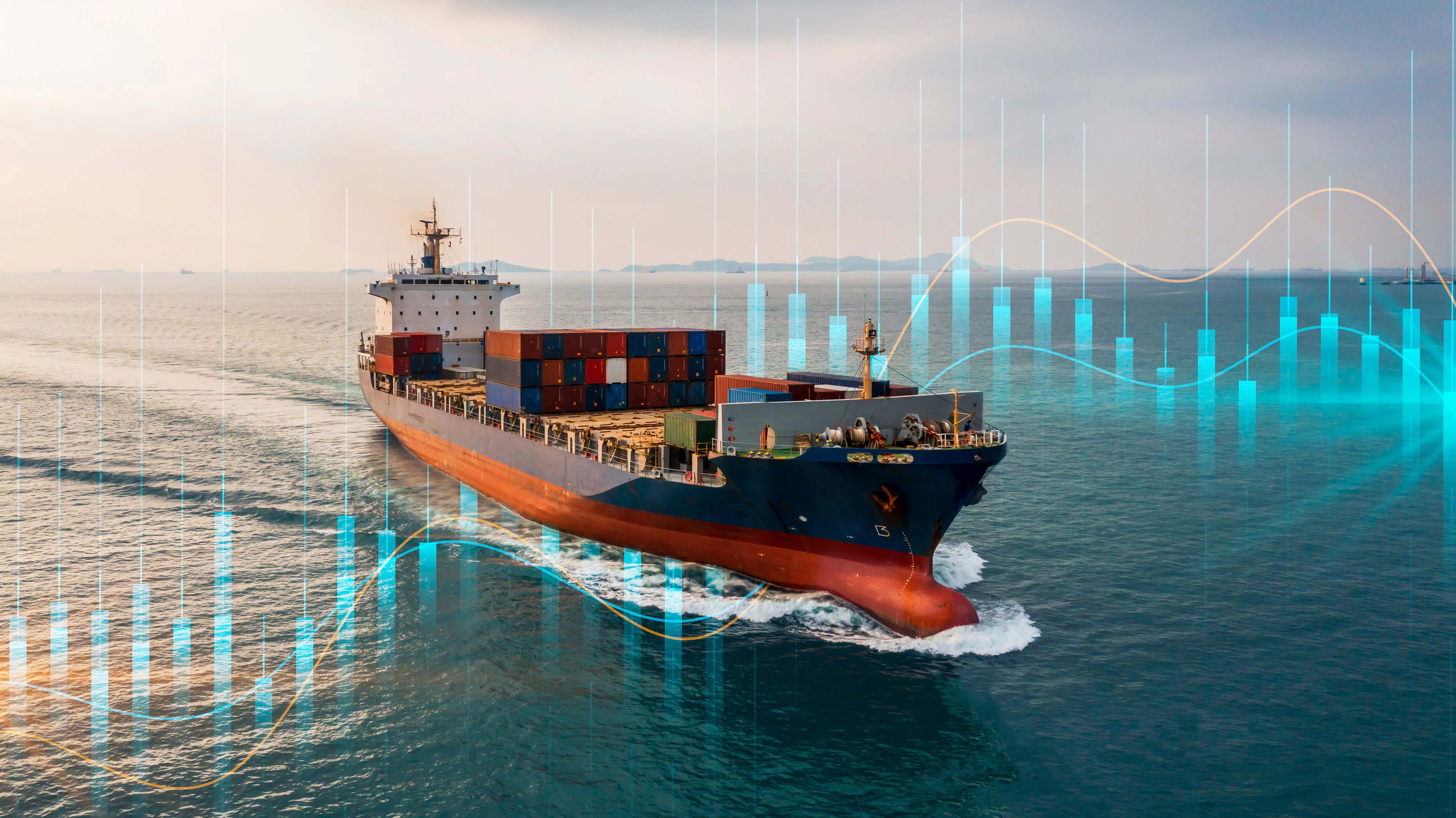
Röhlig Logistics coordinates sea and air freight from Malaysia to Germany, including pre-carriage, consolidation, main carriage, on-carriage, project logistics, customs coordination, document management and shipment visibility.
Röhlig’s official network includes a regional head office in Subang Jaya and a branch office in Perai, as well as eight branches in Germany with central sea- and airfreight hubs in Hamburg and Frankfurt. Capacity, representation, regulatory requirements and specialised handling are confirmed for each shipment before booking.
Sea Freight from Malaysia to Germany
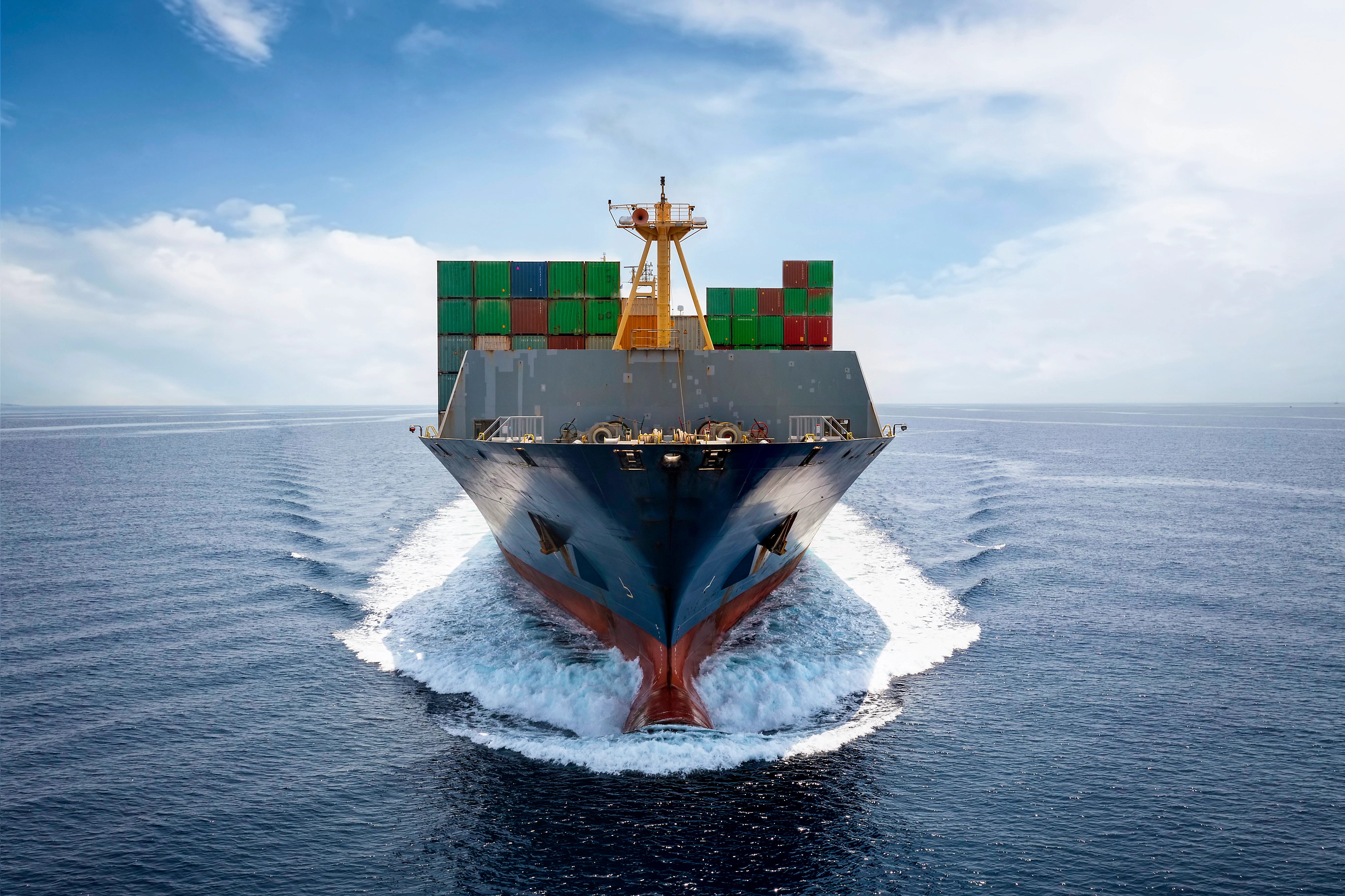
Key Seaports on the Malaysia–Germany Trade Lane
- Port Klang
Malaysia’s largest port complex and the principal gateway for the Klang Valley and central industrial regions. - Port of Tanjung Pelepas
A major container and transhipment hub in southern Malaysia with extensive mainline connections. - Penang Port
A gateway for northern Malaysia’s electronics, medical-device and manufacturing clusters. - Port of Hamburg
Germany’s largest seaport and a central gateway to northern, central and eastern European hinterlands. - Bremerhaven
A major container and vehicle-handling gateway with strong rail and road connections. - JadeWeserPort Wilhelmshaven
Germany’s deep-water container terminal and an alternative for large vessels and inland distribution.
Examples of Sea Freight Transit Times
- FCL Port Klang → Hamburg: Often approximately 34–45 days port to port.
- FCL Tanjung Pelepas → Bremerhaven: Often approximately 32–44 days port to port.
- FCL Port Klang/Tanjung Pelepas → Wilhelmshaven: Often approximately 35–48 days port to port.
- LCL Malaysia → Germany: Commonly approximately 40–55 days depot to depot, depending on consolidation and transhipment.
Popular Malaysia–Germany Sea Freight Trade Routes
| Route | Key Facts |
|---|---|
| Port Klang → Hamburg | A principal corridor for electronics, machinery, consumer and industrial goods. |
| Tanjung Pelepas → Bremerhaven | An option via a major regional transhipment hub for German and European distribution. |
| Port Klang or Tanjung Pelepas → Wilhelmshaven | A deep-water alternative depending on the carrier rotation and hinterland destination. |
| Penang → German gateways | Northern Malaysian cargo commonly connects by feeder or inland transfer to a regional mainline hub. |
FCL can often be planned at approximately 32–48 days port to port. LCL usually needs additional consolidation and deconsolidation time. All durations are non-binding estimates and depend on the carrier, route, transhipment, congestion and current security situation.
Air freight from Malaysia to Germany

Key Airports on the Malaysia–Germany Trade Lane
- Kuala Lumpur International Airport (KUL)
Malaysia’s principal international air-cargo gateway with broad passenger and freighter connectivity. - Penang International Airport (PEN)
A key cargo gateway for the northern electronics, semiconductor and medical-technology cluster. - Frankfurt Airport (FRA)
Germany’s largest air-cargo gateway and a central European distribution hub. - Leipzig/Halle Airport (LEJ)
A major European express and freighter hub with extensive night operations. - Munich Airport (MUC)
An important gateway for Bavaria, automotive, technology and time-critical industrial cargo.
Example of an Air Freight Shipment
- Shipment: 280 kilograms of fully documented, non-dangerous electronic components from Penang to Frankfurt.
- Transit time: Standard service can often be planned at approximately three to five working days door to door.
- Key considerations: Confirmed capacity, moisture and shock protection, accurate part descriptions and values, export documentation, customs data and coordinated final delivery.
Popular Malaysia–Germany Air Freight Trade Routes
| Route | Key Facts |
|---|---|
| Kuala Lumpur (KUL) → Frankfurt (FRA) | The main air-cargo corridor for electronics, machinery, medical and urgent industrial freight. |
| Penang (PEN) → Frankfurt (FRA) | An important high-tech corridor, commonly routed through an Asian or Middle Eastern hub. |
| Kuala Lumpur or Penang → Leipzig/Halle or Munich | Useful alternatives for express, freighter or southern German distribution, subject to schedule. |
Standard airfreight can often be planned at approximately one to three working days airport to airport and three to six working days door to door. These are non-binding estimates and exclude customs, inspection or permit delays.
Customs & Import Regulations in New Zealand
Key Requirements
Key Requirements
- An EU-established importer or responsible declarant with a valid EORI number and appropriate customs representation.
- Correct Combined Nomenclature classification, customs value, non-preferential origin and electronic import declaration through the German customs system.
- Commercial invoice, packing list and bill of lading or air waybill, plus licences, certificates and product records where applicable.
- There is currently no EU–Malaysia free trade agreement in force. General imports therefore do not receive bilateral FTA preference; any alternative preference, tariff suspension or quota must be verified separately.
- Prohibitions, sanctions, trade-remedy measures and product-specific import controls must be checked before dispatch.
Special Regulations
Special Regulations
- CE-regulated products: Machinery, electrical equipment, radio products and other covered goods require the applicable EU conformity procedure, markings and technical documentation.
- Chemicals: REACH, CLP, safety-data and restrictions or authorisation duties may apply to substances, mixtures and articles.
- Medical devices and pharmaceuticals: EU or German authorisation, registration, responsible economic operators and GDP-compliant handling may be required.
- Food, plants and animal products: Health or phytosanitary certificates, TRACES processing, approved establishments and border-control entry may apply.
- Batteries and dangerous goods: EU battery rules, producer obligations, UN 38.3 evidence and carrier acceptance may apply.
- CBAM goods: From 2026, scope, authorised CBAM declarant status, embedded-emissions data and certificate obligations must be checked for covered products.
- Wood packaging: Solid-wood packaging from Malaysia must comply with ISPM 15 treatment and marking requirements.
Duties & Charges
Duties & Charges
- EU customs duty is determined by CN code, customs value and applicable measures in TARIC. No general EU–Malaysia FTA preference is currently available.
- Anti-dumping, countervailing, safeguard, tariff-quota or surveillance measures may apply to particular products and origins.
- German import VAT is generally 19%; a reduced 7% rate applies to certain goods. The taxable amount normally includes customs value, duty and specified incidental costs.
- Excise, CBAM certificates, inspection, handling, storage, port and customs-broker costs may also arise. Deduction or deferment depends on the importer’s circumstances. This is not legal or tax advice.
Typical risks
Typical Risks
- North-east monsoon: Heavy rain and flooding can affect Malaysian pre-carriage, ports and airports, particularly from November to March.
- Asia–Europe route disruption: Security events, canal restrictions and carrier diversions can materially extend sea-freight schedules.
- European winter weather: Snow, ice, storms and low-water events can affect ports, airports, rail, barge and road delivery.
- Holiday peaks: Chinese New Year, Hari Raya, Golden Week spill-over and European year-end peaks can reduce capacity and working days.
- Port and terminal congestion: Blank sailings, berth delays, transhipment congestion and hinterland bottlenecks can extend transit times.
- Regulatory delays: Missing CE, REACH, food, medical-device, CBAM or other compliance evidence can delay release or market access.
- High-tech and dangerous goods: Sensitive electronics, lithium batteries and chemicals require early classification, packaging, security and carrier acceptance.

Tips for Accelerated Customs Clearance in Germany
- Confirm importer, EORI, customs representative, Incoterm and declaration responsibilities before collection.
- Validate CN classification, customs value, origin and TARIC measures before dispatch.
- Do not claim EU–Malaysia FTA preference; verify any other preference, suspension or quota with supporting evidence.
- Complete CE, REACH, battery, CBAM, food, pharmaceutical or other product requirements before loading.
- Keep invoice, packing list, transport document, licences and technical descriptions fully consistent.
- Provide permits, test reports, safety data and dangerous-goods documents in the pre-alert.
- Check duty, import VAT, excise and trade-remedy exposure before pricing the shipment.
- Allow contingency for inspections, route changes, port congestion, feeder connections and holidays.