Freight shipping from India to New Zealand
The contents on this page:
Trade lane details – trust our expertise
Sea freight generally connects Indian ports with New Zealand through transhipment hubs in South or South-East Asia. Airfreight routings normally use an intermediate hub in Asia, the Middle East or Australia.
New Zealand offers digital border processes through Trade Single Window, but its strict biosecurity regime makes clean cargo, compliant packaging and complete product documentation central to shipment planning.
Future Outlook for Trade between India and New Zealand
India and New Zealand signed a bilateral Free Trade Agreement on 27 April 2026. It is not yet in force: both countries must complete their domestic legal procedures before preferences can be claimed.
Once the agreement enters into force, New Zealand has committed to duty-free access for qualifying Indian goods across all tariff lines. Preferential treatment will remain subject to classification, originating status and valid proof of origin. Biosecurity, product safety and other non-tariff requirements will continue to apply.
Key Export Goods from India to New Zealand
- Pharmaceutical and medicinal products: Product approval, importer responsibilities, temperature control and complete batch or quality documentation depend on the product.
- Vehicles and automotive parts: New and used vehicles, machinery and parts require accurate classification and may be subject to safety, emissions and biosecurity requirements.
- Machinery and mechanical equipment: Engines, pumps, agricultural machinery and industrial parts require precise descriptions, robust packaging and cleaning where contamination is possible.
- Textiles and apparel: Garments, home textiles and fabrics require correct fibre, composition, origin and labelling information.
- Chemicals and plastics: Safety data, dangerous-goods classification and New Zealand hazardous-substance requirements must be checked before booking.
- Food, spices and other agricultural goods: Commodity-specific Import Health Standards, permits, certificates, treatment and labelling may apply.
Our Logistics Services at a glance
India
New Zealand
General Services
Certifications
Upcoming customer shipments
Röhlig: Strong Logistics Services for the India–New Zealand Trade Lane
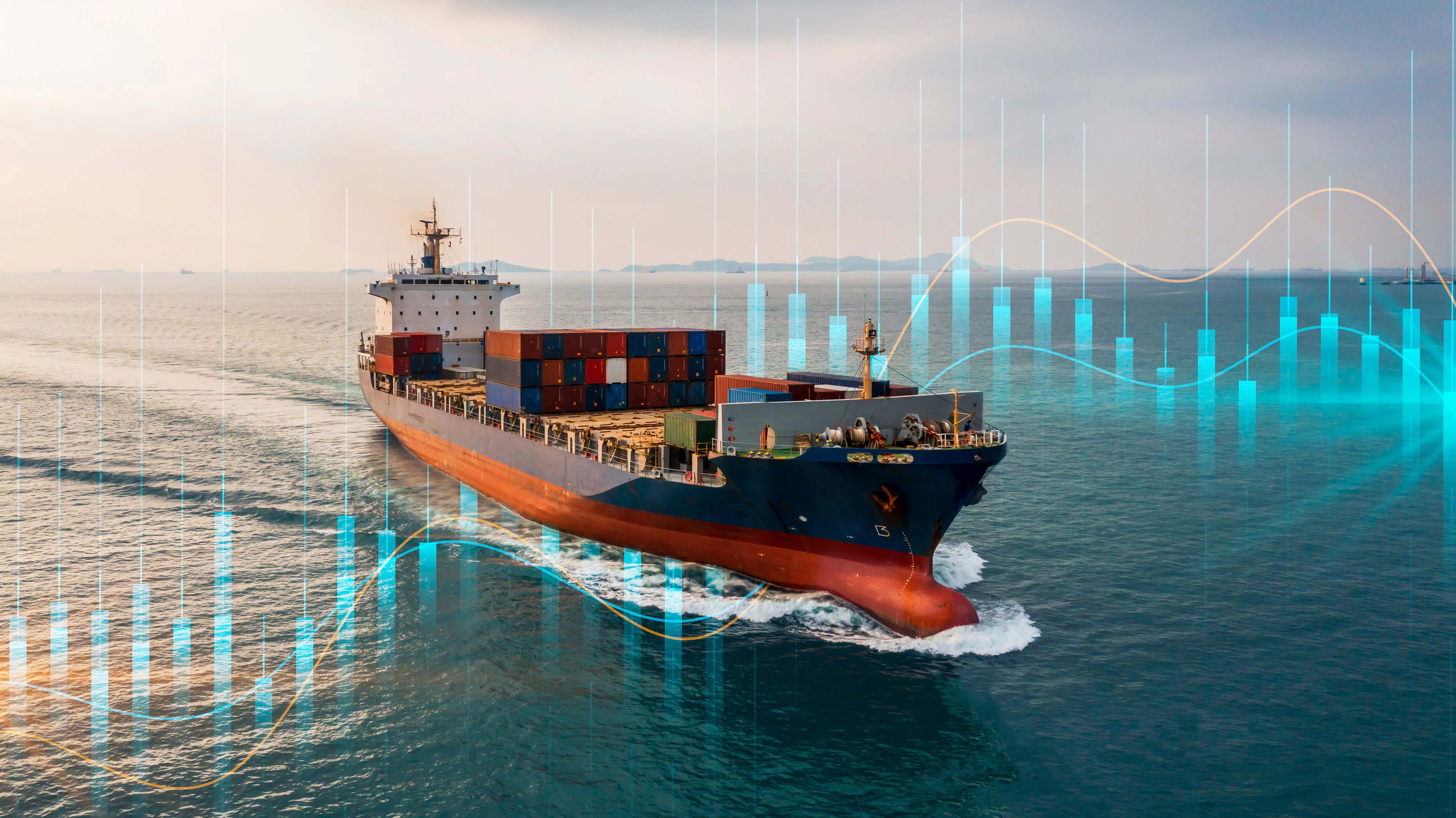
Röhlig Logistics develops sea- and airfreight solutions between India and New Zealand, including pre-carriage, main carriage, on-carriage, document coordination and customs support.
Röhlig’s official office pages confirm local presence in both India and New Zealand. The shipment-specific scope, carrier capacity, customs representation and biosecurity services are agreed with the responsible offices before booking.
Sea Freight from India to New Zealand
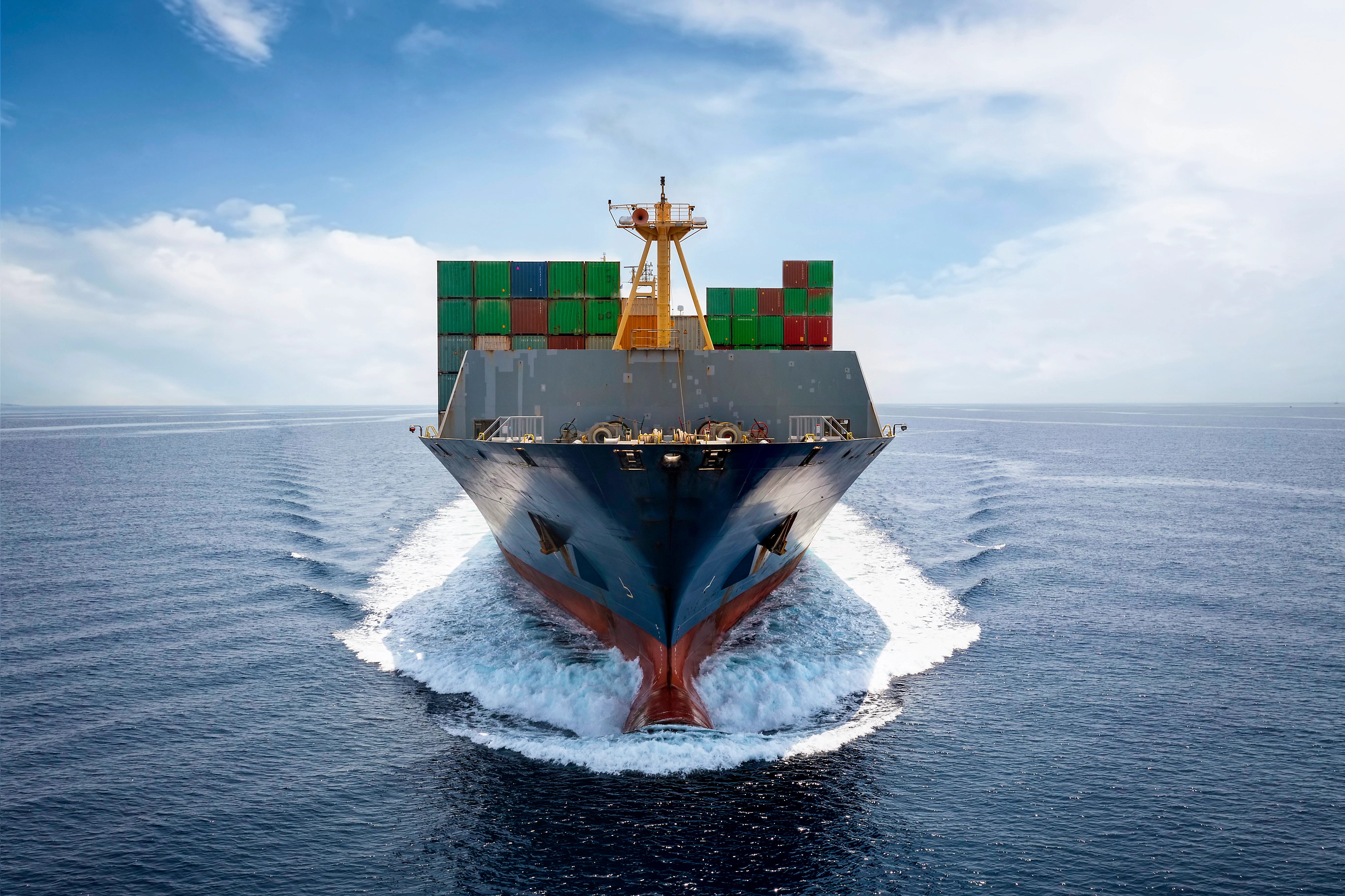
Key Seaports on the India–New Zealand Trade Lane
- India
Jawaharlal Nehru Port/Nhava Sheva, Mundra, Chennai, Kamarajar/Ennore, V. O. Chidambaranar/Tuticorin, Cochin and Kolkata. - New Zealand
Auckland, Tauranga, Lyttelton, Wellington and Port Chalmers. Port of Tauranga describes itself as New Zealand’s largest port and principal international freight gateway.
Examples of Sea Freight Transit Times
- FCL Nhava Sheva/Mundra → Auckland/Tauranga: often approximately 25–40 days port to port, depending on the rotation and transhipment.
- FCL Chennai → Auckland/Tauranga: often approximately 28–45 days port to port.
- LCL India → New Zealand: commonly approximately 35–50 days depot to depot, depending on consolidation and feeder connections.
- Key considerations: cut-offs, equipment, transhipment windows, port conditions, MPI controls and inland delivery.
Popular India–New Zealand Sea Freight Trade Routes
| Route | Key Facts |
|---|---|
| Nhava Sheva/Jawaharlal Nehru Port or Mundra → Auckland or Tauranga | Major west-coast options for machinery, textiles, pharmaceuticals and containerised industrial goods. |
| Chennai/Kamarajar or V. O. Chidambaranar → Auckland, Tauranga or Lyttelton | Useful for southern Indian automotive, engineering and consumer-goods flows. |
| Kolkata or Cochin → New Zealand ports | Alternatives for eastern and south-western India, normally involving one or more transhipments. |
Depending on the port pair, carrier rotation and transhipment, FCL often requires approximately 25–45 days port to port. LCL generally takes longer because of consolidation and deconsolidation. These are non-binding planning estimates.
Air freight from India to New Zealand

Key Airports on the India–New Zealand Trade Lane
- India
Delhi (DEL), Mumbai (BOM), Bengaluru (BLR), Chennai (MAA), Hyderabad (HYD) and Kolkata (CCU). - New Zealand
Auckland (AKL), Christchurch (CHC) and Wellington (WLG). The best gateway depends on capacity, commodity, controls and final destination.
Example of an Air Freight Shipment
- Shipment: 150 kilograms of fully documented, non-dangerous high-tech components from Mumbai (BOM) to Auckland (AKL).
- Transit time: standard service can often be planned at approximately five to eight working days door to door; express may be faster.
- Key considerations: confirmed capacity, secure packaging, complete customs data, screening, hub connection and coordinated biosecurity clearance.
Popular India–New Zealand Air Freight Trade Routes
| Route | Key Facts |
|---|---|
| Mumbai (BOM) or Delhi (DEL) → Auckland (AKL) | Principal routings for pharmaceuticals, high-value textiles, spare parts and electronics. |
| Bengaluru (BLR), Chennai (MAA) or Hyderabad (HYD) → Auckland or Christchurch (CHC) | Options for technology, automotive and life-science cargo. |
| Kolkata (CCU) → Auckland | Generally routed through an Asian or Middle Eastern hub. |
Standard airfreight can often be planned at approximately three to seven days airport to airport. Door-to-door lead time is longer; express products may be faster. All figures are non-binding and depend on capacity, connections, screening, customs and biosecurity clearance.
Customs & Import Regulations in New Zealand
Key Requirements
Key Requirements
- A New Zealand importer with the required Customs client code and appropriate customs or broker arrangements. A licensed customs broker is commonly appointed for commercial entries.
- Accurate tariff classification, goods description, customs value, origin and entry data lodged through Trade Single Window.
- Commercial invoice, packing list and transport document, plus permits, certificates, treatment evidence or preference documents where applicable.
- MPI biosecurity clearance for risk goods, packaging and containers. Cargo must be free of soil, seeds, plant material, pests and other contamination.
- Regulated wood packaging must meet New Zealand’s biosecurity requirements and, where applicable, ISPM 15 treatment and marking rules.
Special Regulations
Special Regulations
- Food, plants, animal products, timber and other risk goods: check MPI’s PIER database and the relevant Import Health Standard before shipment.
- Used vehicles, machinery and parts: thorough cleaning and evidence may be required; contamination can lead to treatment, reshipment or destruction.
- Dangerous goods and lithium batteries: comply with IMDG Code or IATA Dangerous Goods Regulations, including classification, packaging, marks and documents.
- Food: importer registration, food-safety clearance, health certificates and New Zealand labelling rules may apply.
- Hazardous substances: approval, classification, labelling and packaging requirements may apply under New Zealand environmental legislation.
- Medicines and medical devices: Medsafe requirements, product status and importer or sponsor obligations must be checked before shipment.
Duties & Charges
Duties & Charges
- Until the India–New Zealand FTA enters into force, the current New Zealand tariff treatment applies. No FTA preference may be claimed merely because the agreement has been signed.
- After entry into force, qualifying Indian-origin goods are intended to receive duty-free access across all New Zealand tariff lines, subject to the agreement’s origin and evidence rules.
- GST is 15 per cent and generally applies to imported goods. The taxable amount can include the customs value, international freight and insurance, and applicable duty.
- Customs and MPI goods levies, inspection, treatment, storage and broker charges may also apply. Low-value B2C rules differ from standard commercial imports. This is not legal or tax advice.
Typical risks
Typical Risks
- New Zealand peak periods: November to February and public holidays can increase pressure on terminals, trucking and warehousing.
- Weather and domestic connections: Heavy seas, road closures and Cook Strait ferry disruption may affect delivery between the North and South Islands.
- Biosecurity intervention: Inspection, cleaning, treatment or additional evidence can delay release and create extra charges.
- Indian monsoon: Weather can affect pre-carriage and port operations, particularly from approximately May onwards.
- Cyclones on India’s east coast: Severe weather can disrupt Chennai, Visakhapatnam and feeder connections during the wider cyclone season.
- Indian holiday and financial-year peaks: Diwali and the end of the financial year can pressure production, documentation, customs and capacity.
- Transhipment dependence: Missed connections or congestion at Asian hubs can materially extend sea- and airfreight lead times.

Tips for Accelerated Customs Clearance in New Zealand
- Confirm importer set-up, client code, broker and Incoterm before collection.
- Validate classification, valuation, origin and any future FTA evidence before dispatch.
- Pre-lodge Customs and biosecurity data through Trade Single Window where permitted.
- Check MPI PIER and the applicable Import Health Standard for the exact commodity and country of origin.
- Use clean containers and cargo; verify ISPM 15 marks and obtain treatment or cleaning evidence before loading.
- Keep invoice, packing list, transport document and permits fully consistent and provide a complete pre-alert.
- Agree temperature monitoring, dangerous-goods acceptance and contingency steps before booking.
- Allow buffers for transhipment, MPI inspection, treatment and peak-season capacity.