Freight shipping from India to Malaysia
The contents on this page:
Trade lane details – trust our expertise
Short sea distances and frequent regional services connect India’s west and east coasts with Port Klang, Port of Tanjung Pelepas and Penang. Depending on the port pair, services may be direct or use a regional transhipment hub.
Airfreight links major Indian production centres with Kuala Lumpur and Penang. The best routing depends on commodity, capacity, customs permits, final destination and requirements for dangerous, valuable or temperature-controlled goods.
Future Outlook for Trade between India and Malaysia
The relationship was elevated to a Comprehensive Strategic Partnership in August 2024. Growth opportunities remain in electronics, digital industries, pharmaceuticals, machinery, chemicals, food, energy transition and automotive supply chains.
MICECA and the ASEAN–India Trade in Goods Agreement provide established preferential frameworks. Their continued value depends on correct tariff classification, product-specific origin rules and admissible proof of origin; non-tariff product requirements remain fully applicable.
Key Export Goods from India to Malaysia
- Refined petroleum and chemical products: Classification, dangerous-goods status, safety data and Malaysian product controls must be resolved before booking.
- Machinery, engineering goods and automotive parts: Precise descriptions, technical specifications and suitable export packaging support customs clearance and industrial delivery.
- Pharmaceuticals and healthcare products: Registered products, NPRA licensing, temperature control and complete batch documentation may be required.
- Electrical and electronic products: Regulated equipment may require Energy Commission approval, SIRIM conformity assessment and consignment labelling.
- Iron, steel, aluminium and fabricated products: Certain products may require permits, SIRIM certification or be affected by trade-remedy measures.
- Textiles, apparel and consumer goods: Tariff classification, origin, composition, labelling and sales-tax treatment should be checked by product.
- Food, spices and agricultural products: MAQIS permits, health or phytosanitary certificates, halal or food requirements and inspection may apply.
Our Logistics Services at a glance
India
Malaysia
General Services
Certifications
Röhlig: Strong Logistics Services for the India–Malaysia Trade Lane

Röhlig Logistics develops sea- and airfreight solutions between India and Malaysia, including pre-carriage, main carriage, on-carriage, customs coordination, consolidation and shipment visibility.
Röhlig’s official pages confirm local teams in India’s key trade hubs and in Kuala Lumpur. Capacity, customs representation, permits and product-specific services are confirmed for each shipment before booking.
Sea Freight from India to Malaysia
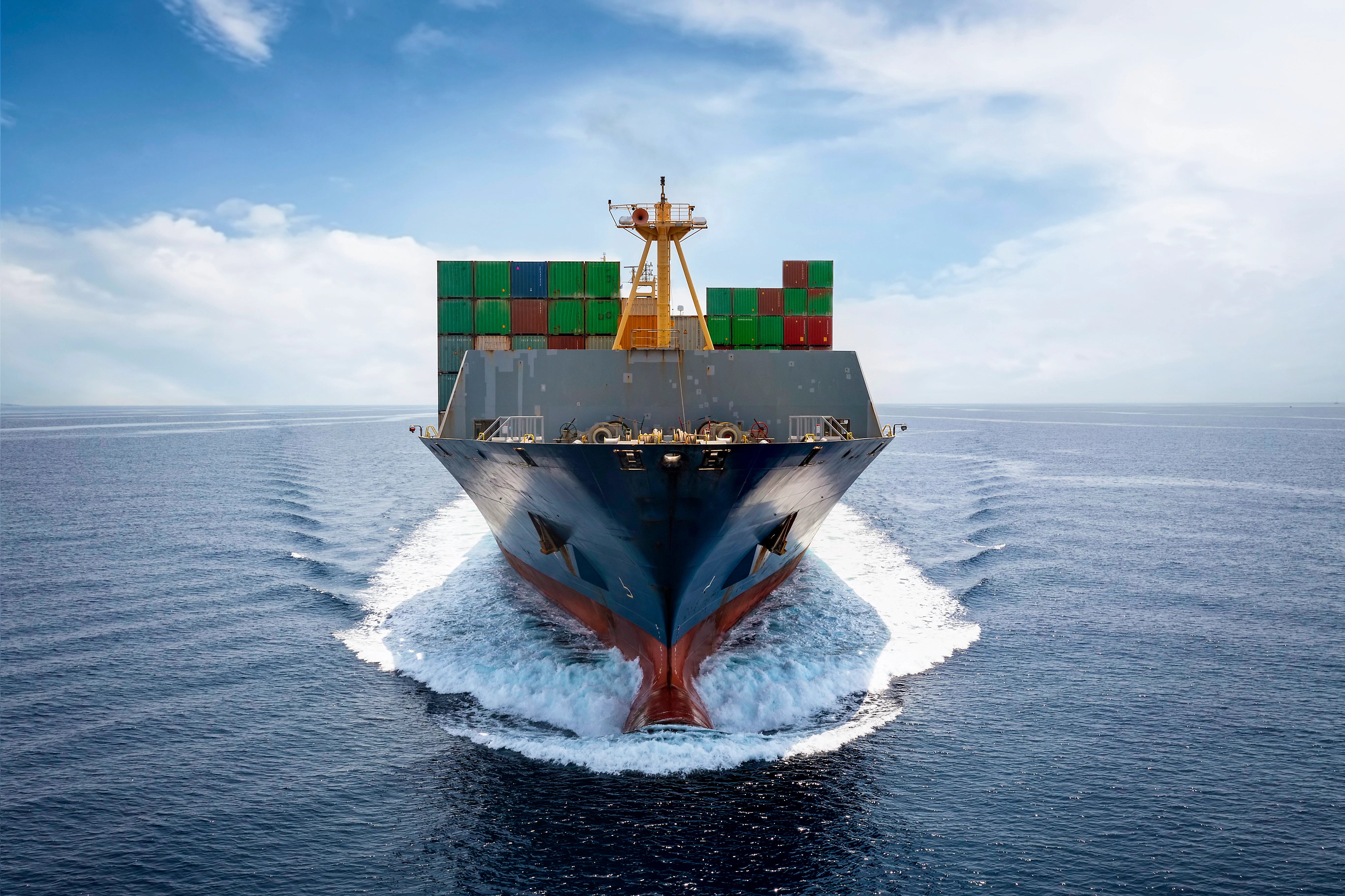
Key Seaports on the India–Malaysia Trade Lane
- JNPA/Nhava Sheva
India’s leading container gateway for western and central Indian cargo. - Mundra
A major Gujarat deep-water gateway for containers, industrial and project cargo. - Chennai and Kamarajar/Ennore
Key southern gateways for automotive, engineering and consumer goods. - V. O. Chidambaranar/Tuticorin
A useful southern option for regional container and industrial flows. - Cochin and Visakhapatnam
Alternative gateways for south-western and eastern Indian origins. - Port Klang
Malaysia’s premier maritime gateway and a principal hub for the Klang Valley. - Port of Tanjung Pelepas
A major Johor container and transhipment hub for southern Malaysia. - Penang Port
An important northern Malaysian gateway for electronics, industrial and consumer cargo.
Examples of Sea Freight Transit Times
- FCL Chennai/Tuticorin → Port Klang: Often approximately 7–12 days port to port.
- FCL JNPA/Mundra → Port Klang or Tanjung Pelepas: Often approximately 10–16 days port to port.
- FCL Kolkata/Haldia → Port Klang or Penang: Often approximately 14–22 days port to port.
- LCL India → Malaysia: Commonly approximately 12–24 days depot to depot, depending on consolidation and feeder schedules.
Popular India–Malaysia Sea Freight Trade Routes
| Route | Key Facts |
|---|---|
| JNPA/Nhava Sheva or Mundra → Port Klang or Port of Tanjung Pelepas | Major west-coast container routes for engineering goods, chemicals, textiles and pharmaceuticals. |
| Chennai, Kamarajar/Ennore or V. O. Chidambaranar → Port Klang, Tanjung Pelepas or Penang | Useful for southern Indian automotive, engineering and consumer-goods flows. |
| Cochin or Visakhapatnam → Malaysian gateways | Regional alternatives depending on feeder frequency, cargo and final destination. |
| Kolkata/Haldia → Port Klang or Penang | Services normally involve a longer regional rotation or transhipment. |
FCL can often be planned at approximately 7–16 days port to port from southern or western India and approximately 12–22 days from eastern India. LCL normally requires additional consolidation time. All times are non-binding estimates.
Air freight from India to Malaysia

Key Airports on the India–Malaysia Trade Lane
- Delhi Indira Gandhi (DEL)
A major gateway for northern India, pharmaceuticals, valuables and urgent industrial cargo. - Mumbai Chhatrapati Shivaji Maharaj (BOM)
A central western gateway for pharmaceuticals, fashion, engineering and electronics. - Bengaluru Kempegowda (BLR)
An important technology and life-science cargo hub. - Chennai (MAA) and Hyderabad (HYD)
Key southern options for automotive, engineering and pharmaceutical shipments. - Kuala Lumpur International (KUL)
Malaysia’s principal international air-cargo gateway and central distribution hub. - Penang International (PEN)
An important gateway for northern Malaysia’s semiconductor and electronics cluster. - Johor Bahru/Senai (JHB)
A regional alternative for southern Malaysia and Singapore-adjacent supply chains.
Example of an Air Freight Shipment
- Shipment: 180 kilograms of fully documented, non-dangerous pharmaceutical packaging from Hyderabad (HYD) to Kuala Lumpur (KUL).
- Transit time: Standard service can often be planned at approximately three to five working days door to door.
- Key considerations: Confirmed capacity, temperature and product status, secure packaging, complete customs data and coordinated delivery.
Popular India–Malaysia Air Freight Trade Routes
| Route | Key Facts |
|---|---|
| Delhi (DEL) or Mumbai (BOM) → Kuala Lumpur (KUL) | Principal routings for pharmaceuticals, high-value textiles, spare parts and electronics. |
| Chennai (MAA), Bengaluru (BLR) or Hyderabad (HYD) → Kuala Lumpur or Penang (PEN) | Important routings for technology, automotive and life-science cargo. |
| Kolkata (CCU) → Malaysia | Direct or connecting services depending on schedules and capacity. |
Standard airfreight can often be planned at approximately one to three working days airport to airport and three to six working days door to door. Priority products may be faster. These are non-binding estimates.
Customs & Import Regulations in Malaysia
Key Requirements
Key Requirements
- A Malaysian importer with the appropriate registration, customs-agent and permit arrangements.
- Correct Malaysian tariff classification, customs value, origin and import declaration using Customs Form No. 1 (K1).
- Commercial invoice, packing list and bill of lading or air waybill, plus permits, licences and preference documents where applicable.
- MICECA or AIFTA preference only where the specific tariff line, origin rule, direct-consignment requirement and proof-of-origin procedure are satisfied.
- Prohibited or restricted imports must be checked before shipment; approved permits are generally validated electronically against the customs declaration.
Special Regulations
Special Regulations
- Electrical and electronic equipment: Regulated goods may require an Energy Commission Certificate of Approval, SIRIM assessment and labels.
- Medical devices: Importers and distributors require an MDA establishment licence; devices must be registered through the manufacturer or authorised representative unless an exemption applies.
- Pharmaceuticals: Registered products and the relevant NPRA import or wholesale licence are generally required.
- Food, plants and animal products: MAQIS permits, health or phytosanitary certificates, approved sources and border inspection may apply.
- Halal-related products: Certification and Malaysian halal or labelling requirements should be checked where a halal claim or regulated market channel is involved.
- Dangerous goods and lithium batteries: Comply with IMDG Code or IATA DGR and obtain carrier acceptance before collection.
- Wood packaging: Use clean, compliant packaging and check applicable phytosanitary and ISPM 15 requirements.
Duties & Charges
Duties & Charges
- Preferential duty under MICECA or AIFTA is product-specific and not automatic. The importer should compare the applicable schedules and origin rules before claiming preference.
- Where no preference applies, the Malaysian customs tariff and any anti-dumping, excise or other product-specific measures govern.
- Sales tax is a single-stage tax imposed on taxable imported goods. The applicable rate or exemption depends on the current Sales Tax orders and product classification.
- Customs, permit, inspection, handling, storage, port and broker charges may also apply. Low-value-goods rules differ from standard commercial imports. This is not legal or tax advice.
Typical risks
Typical Risks
- Indian monsoon: Heavy rain can affect pre-carriage, ports and airports, particularly from approximately May to September.
- Cyclones and severe weather: India’s east coast and the Bay of Bengal can experience disruptions during wider cyclone periods.
- Malaysian monsoon conditions: Heavy rain, flooding and local road disruption may affect port operations and final delivery.
- Holiday peaks: Diwali, Hari Raya, Chinese New Year and year-end peaks can reduce working days and tighten capacity.
- Port and transhipment congestion: Regional schedule changes, feeder delays or port omissions can extend transit times.
- Permit and conformity delays: Missing MAQIS, NPRA, MDA, SIRIM or other approvals can stop release.
- Temperature and dangerous-goods risks: Pharmaceuticals, chemicals and batteries require early acceptance and handover planning.

Tips for Accelerated Customs Clearance in Malaysia
- Confirm the importer, customs agent, Incoterm and K1 declaration responsibilities before collection.
- Validate classification, customs value, MICECA or AIFTA origin and proof before dispatch.
- Obtain MAQIS, NPRA, MDA, SIRIM, Energy Commission or other permits before loading.
- Use precise invoice descriptions and keep invoice, packing list and transport document fully consistent.
- Provide certificates of origin, test reports, licences, dangerous-goods and product documents in the pre-alert.
- Check sales-tax, excise and trade-remedy exposure before pricing the shipment.
- Lodge electronic declarations and permit references early and respond quickly to Customs or agency queries.
- Allow contingency for inspection, testing, port congestion and holiday closures.