Freight shipping from India to Australia
The contents on this page:
Trade lane details – trust our expertise
The trade lane links Indian production centres via Nhava Sheva/Jawaharlal Nehru Port, Mundra, Chennai/Kamarajar and other gateways with Melbourne, Sydney/Port Botany, Brisbane and Fremantle. Delhi, Mumbai, Bengaluru and Chennai are important origins for time-critical cargo; Sydney, Melbourne, Brisbane and Perth are key Australian air freight gateways.
Röhlig operates in India’s principal trade centres and has been present in Australia since 1973. Its Australian network includes offices in Sydney, Melbourne, Brisbane, Newcastle, Adelaide and Perth as well as dedicated contract logistics capacity. The teams in both countries coordinate sea and air freight, pre- and on-carriage, customs clearance, warehousing and distribution.
Future Outlook for Trade between India and Australia
ECTA improves market access and creates a more reliable framework. The two countries are also negotiating a broader Comprehensive Economic Cooperation Agreement (CECA). No specific tariff or market-access benefit should be assumed from CECA until it has entered into force.
Growth opportunities exist in pharmaceuticals, textiles, advanced manufacturing, critical minerals, renewable energy, education and digital services. Trade forecasts remain scenarios; current tariffs, rules of origin and market data must guide operational decisions.
Key Export Goods from India to Australia
- Refined petroleum products: fuels and related products require product-specific dangerous goods, quality and environmental checks.
- Pharmaceuticals and active ingredients: medicines and medical devices may require TGA compliance, ARTG inclusion and an Australian sponsor.
- Textiles, clothing and leather goods: ECTA may provide duty benefits, while labelling, fibre-content and product-safety requirements continue to apply.
- Jewellery and gemstones: secure packaging, accurate value and material declarations and suitable insurance are important.
- Machinery, vehicle parts and metal goods: technical standards, electrical compliance, asbestos-free status and precise descriptions should be established early.
- Food and agricultural products: BICON conditions, permits, health or phytosanitary certificates and labelling may be required.
Our Logistics Services at a glance
India
Australia
General Services
Certifications
Upcoming customer shipments
Röhlig: Strong Logistics Services for the India–Australia Trade Lane

Röhlig Logistics develops tailored sea and air freight solutions for shipments from India to Australia. Our local teams coordinate collection, main carriage, customs clearance, warehousing, distribution and delivery while taking account of Australian Border Force and biosecurity requirements.
Alongside standard freight, we support project logistics, dangerous goods, temperature-controlled cargo, cross trades and contract logistics. Digital shipment tracking provides visibility, with cargo insurance, express, charter and on-board courier solutions available where required.
Sea Freight from India to Australia
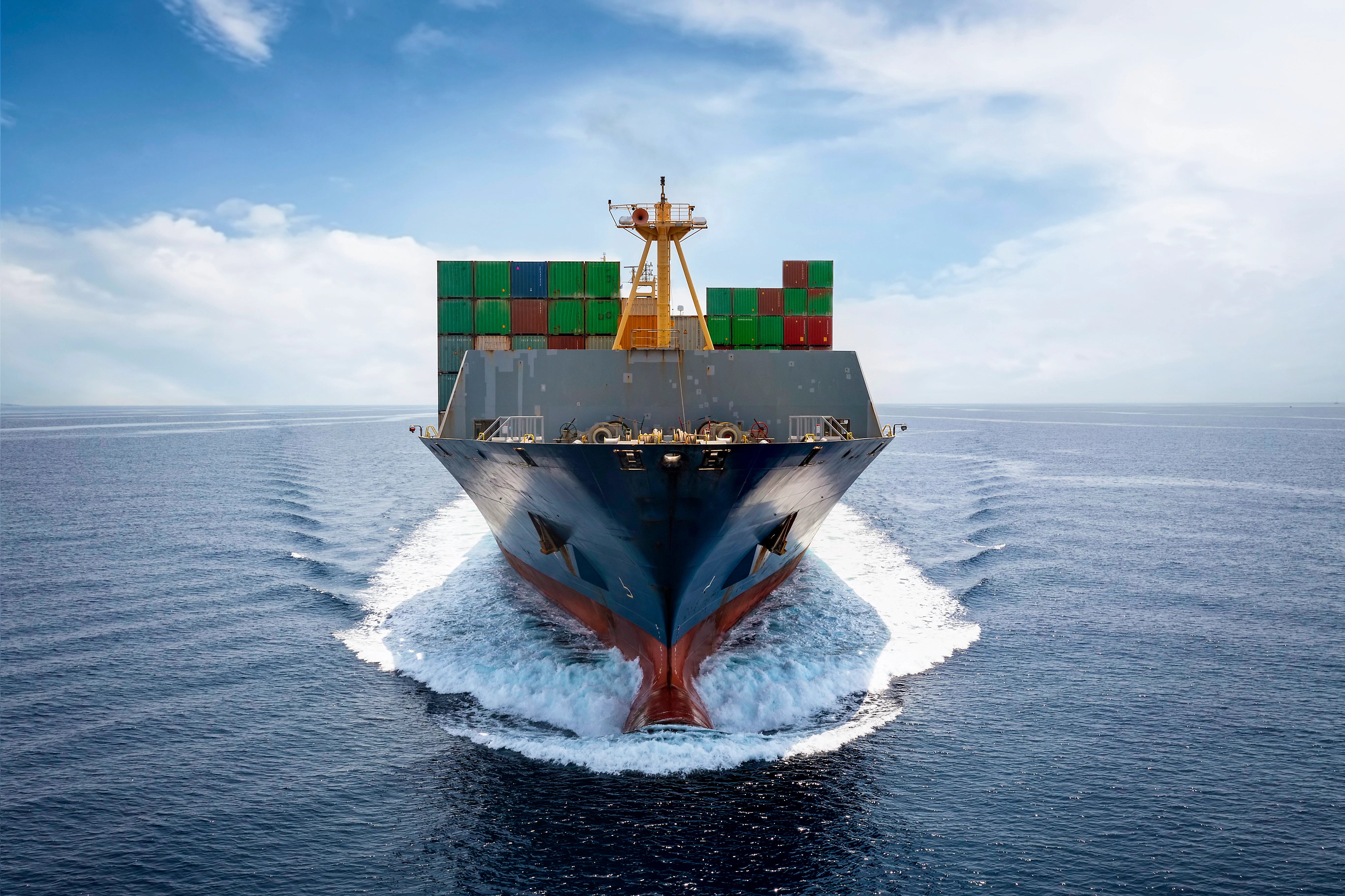
Key Seaports on the India–Australia Trade Lane
- Nhava Sheva/Jawaharlal Nehru Port
The principal container gateway for the Mumbai region and western India. - Mundra
A major private container and multipurpose gateway for northern and western India. - Chennai and Kamarajar/Ennore
Important ports for southern India’s automotive and industrial clusters. - Melbourne
Australia’s largest container port and a key gateway for Victoria. - Sydney/Port Botany
The main container gateway for New South Wales. - Brisbane
A central gateway for Queensland and Australia’s east coast. - Fremantle
The main container gateway for Western Australia.
Examples of Sea Freight Transit Times
- Western India → Australian east coast: commonly about 22–35 days port to port.
- Western India → Fremantle: often about 18–28 days, depending on the service.
- Southern/eastern India → Australian east coast: commonly about 24–38 days, depending on transhipment and rotation.
- Key factors: sailing schedule, transhipment port, equipment, LCL CFS processes, congestion and biosecurity inspections.
Popular India–Australia Sea Freight Trade Routes
| Route | Key Facts |
|---|---|
| Nhava Sheva/JNPA or Mundra → Melbourne, Sydney/Port Botany or Brisbane | Important routes for western and northern India, often via an Asian transhipment hub. |
| Mundra or Nhava Sheva/JNPA → Fremantle: | Suitable for Western Australia; service pattern and transhipment determine timing. |
| Chennai/Kamarajar → Melbourne, Sydney or Brisbane | Key options for southern India’s automotive, textile, electronics and industrial clusters. |
Port-to-port transit commonly takes approximately 20–35 days, depending on the port pair, sailing and transhipment. Some Fremantle services may be faster. Door-to-door timing also includes collection, cut-off, export and import clearance and final delivery.
Air freight from India to Australia

Key Airports on the India–Australia Trade Lane
- Delhi (DEL) and Mumbai (BOM): major international cargo gateways for northern and western India.
- Bengaluru (BLR) and Chennai (MAA): important hubs for technology, automotive, pharmaceutical and industrial freight.
- Sydney (SYD) and Melbourne (MEL): Australia’s leading air freight gateways.
- Brisbane (BNE) and Perth (PER): useful alternatives for Queensland and Western Australia.
Example of an Air Freight Shipment
- Shipment: 120 kilograms of temperature-controlled pharmaceuticals from Mumbai to Melbourne.
- Transit time: standard service commonly five to eight working days door to door; priority may take two to four where suitable capacity is available.
- Key factors: TGA and import status, temperature range, validated packaging, monitoring, airline approval and aligned customs and biosecurity documents.
Popular India–Australia Air Freight Trade Routes
| Route | Key Facts |
|---|---|
| Delhi (DEL) or Mumbai (BOM) → Sydney (SYD) and Melbourne (MEL) | Important routes for pharmaceuticals, textiles, electronics, jewellery and spare parts. |
| Bengaluru (BLR) or Chennai (MAA) → Sydney, Melbourne, Brisbane or Perth | Common routings for technology and industrial cargo, frequently with a connection. |
| Australian gateways → regional distribution | Sydney and Melbourne offer the broadest choice; Brisbane or Perth may suit the final destination better. |
Standard air freight commonly takes around five to eight working days door to door, while express or priority solutions may take two to four. Direct flights are not available for every city pair or on every day; routing, capacity, dangerous goods status, inspections and clearance affect actual timing.
Customs & Import Regulations in Australia
Key Requirements
Key Requirements
- Australia does not require a general import licence, and an importer does not automatically need an ABN or GST registration merely to import. An existing ABN must be quoted on a formal entry; ABN and GST registration are required to claim input tax credits or use the GST Deferral Scheme.
- Goods with a customs value above AUD 1,000 generally require a formal import declaration. The commercial invoice, packing list, transport document, tariff classification, customs value and any ECTA proof of origin must be consistent.
- Check BICON before shipment. It confirms admissibility, applicable conditions and whether a biosecurity import permit is needed.
Special Regulations
Special Regulations
- Timber packaging: solid timber and bamboo packaging must meet BICON conditions, be declared, remain free from biosecurity risk material and generally comply with ISPM 15.
- Pharmaceuticals and medical devices: TGA rules, ARTG inclusion, Australian sponsor and permit requirements must be established before shipment.
- Electrical and radio products: RCM, electrical safety, radio and EMC requirements may apply. The RCM is not a blanket customs certificate for every electrical product.
- Food: biosecurity conditions and FSANZ food and labelling requirements must be checked separately.
- Road vehicles and used machinery: road vehicles generally require RVS approval before import. Used machinery must be clean and free from soil, plant matter and asbestos and may be inspected.
- Drones: CASA approval is not generally required simply to import a drone. Registration, accreditation and operating rules depend on weight, use and operating conditions.
- Dangerous goods and industrial chemicals: transport rules and any AICIS registration or reporting obligations require product-specific assessment.
Duties & Charges
Duties & Charges
- Customs duty: depends on classification, origin and customs value. Since 1 January 2026, qualifying Indian originating goods may receive full duty-free treatment under ECTA, subject to a valid preference claim.
- GST: taxable importations are generally charged at ten per cent. The taxable value includes customs value, duty, international transport and insurance and any WET.
- Low-value goods: goods of AUD 1,000 or less often do not require a formal border entry or border GST collection. GST may nevertheless be collected at the point of sale by overseas suppliers or platforms; alcohol and tobacco are treated differently.
- Import Processing Charge: ABF charges apply to certain declarations. The amount and separate biosecurity charges depend on declaration type, value and mode and should be checked against the current schedule.
- Other taxes: anti-dumping and countervailing duties are product- and origin-specific. WET is generally 29 per cent on taxable wine. LCT is 33 per cent of the value above the applicable threshold; for 2026/27 the general threshold is AUD 80,809 and the fuel-efficient vehicle threshold is AUD 91,661.
Typical risks
Typical Risks
- Monsoon and cyclones: heavy rain and port, airport or inland disruption can affect Indian schedules.
- Australian biosecurity: documentary checks, inspection, treatment or cleaning may delay release and create additional costs.
- Brown marmorated stink bug season: seasonal measures apply to specified target goods and countries; India must be checked against the current DAFF list.
- Holiday and peak periods: Diwali, Holi, Christmas and Chinese holidays at transhipment hubs can affect capacity and timing.
- Transhipment: many ocean and air routings are not non-stop; missed connections increase transit risk.
- Dangerous goods and batteries: carrier approval, documentation and capacity restrictions require additional lead time.

Tips for Accelerated Customs Clearance in Germany
- Check BICON, permits and product standards before collection.
- Establish classification, customs value and ECTA origin and retain valid proof of origin.
- Lodge required declarations and advance reports promptly through the Integrated Cargo System.
- Use an Australian-licensed customs broker, particularly for first-time, regulated or biosecurity-sensitive imports.
- Align the commercial invoice, packing list, bill of lading or air waybill and packing declaration.
- Ensure cargo, containers and used machinery are clean, dry and free from soil, seeds, insects and prohibited asbestos.
- Australian Trusted Trader may offer facilitation benefits to eligible accredited businesses; participation is voluntary and subject to assessment.