Freight shipping from Germany to Australia
The contents on this page:
Trade lane details – trust our expertise
Germany and Australia are closely connected economically. In 2024, bilateral trade in goods amounted to around EUR 15 billion. Australia is not a mass‑market destination compared with Europe’s core markets, but it is a reliable partner with attractive niches and high quality requirements.
Future Outlook for Trade Between Germany and Australia
Despite global uncertainty, Australia remains a predictable and comparatively transparent destination market for German companies, with strong demand for quality, safety, and reliable supply chains. Strategic topics such as energy and climate cooperation, hydrogen, and critical raw materials continue to underpin the relationship.
Key Export Goods from Germany to Australia
- Motor vehicles and vehicle parts (USD 3.08 billion, around 26 percent): the largest segment, including passenger cars and spare parts from premium brands such as BMW, Mercedes‑Benz, Volkswagen, and Audi.
- Machinery and mechanical appliances (USD 2.49 billion, around 21 percent): equipment for industry, construction machinery, and production systems; often requiring project logistics.
- Pharmaceutical products (USD 1.11 billion, around 9.4 percent): a growing sector requiring GDP‑compliant, temperature‑controlled supply chains.
- Electrical and electronic equipment (USD 976 million, around 8.2 percent).
- Optical and medical technology apparatus (USD 758 million, around 6.4 percent).
- Plastics and chemical products (around USD 500 million in total).
Our Logistics Services at a glance
Germany
Australia
General Services
Certifications
Upcoming customer shipments
Röhlig: Strong Logistics Services for the Germany–Australia Trade Lane

Whether by sea or air, Röhlig Logistics provides tailored door-to-door solutions between Germany and Australia. Depending on your requirements, we coordinate pre-carriage and on-carriage, the main transport, customs clearance, document management and transparent shipment tracking.
Our teams consider the particular requirements of each cargo type and route, from strict biosecurity rules and seasonal BMSB measures to the transport of machinery, vehicles, pharmaceuticals and urgent industrial components. Tailored transport and monitoring solutions can be arranged for temperature-sensitive or high-value goods.
Our local expertise and international network also help you select the most suitable port or airport. This is particularly important in Australia, where long distances and high inland transport costs can have a significant effect on the overall logistics solution.
Sea Freight from Germany to Australia
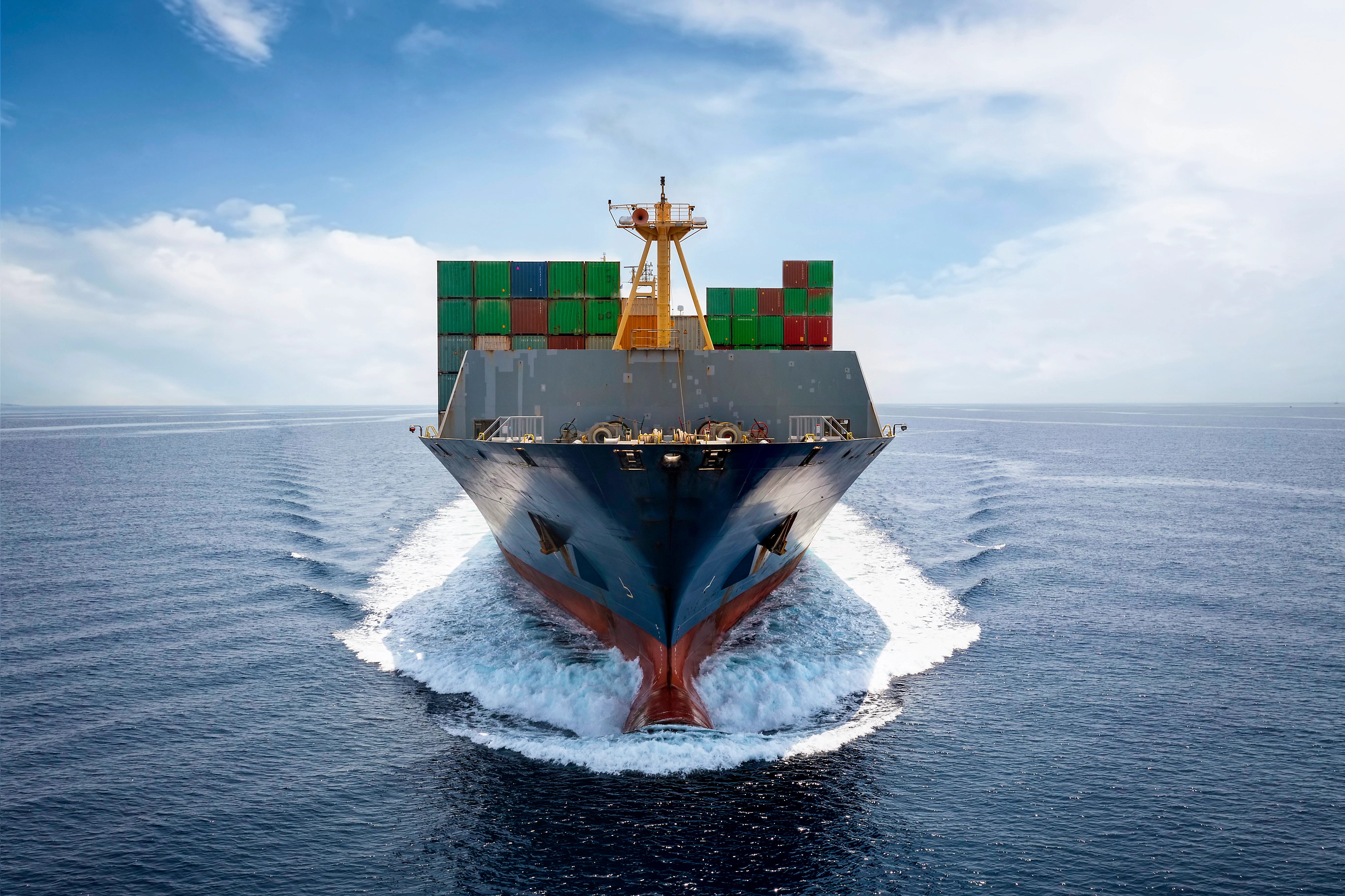
Key Seaports on the Germany–Australia Trade Lane
- Hamburg: Germany’s principal gateway for containerised cargo, offering numerous international connections and services via major Asian transhipment hubs.
- Bremerhaven: particularly important for vehicles, automotive parts and Ro-Ro cargo, as well as industrial goods.
- Melbourne: Australia’s largest container and general cargo port and a major gateway for Victoria and the south-east of the country.
- Sydney (Port Botany): the principal maritime gateway for New South Wales and an important entry point for cargo destined for Sydney and the surrounding region.
- Fremantle (Perth): the strategic port for Western Australia. Discharging in Fremantle can avoid long and costly inland transport from the east coast.
- Brisbane: an important port for Queensland, particularly for project cargo, machinery and infrastructure components.
Examples of Sea Freight Transit Times
- Shipment: one 40-foot container of machinery from Hamburg to Melbourne.
- Transit time: approximately 35 to 45 days from port to port under normal conditions.
- Key considerations: suitable seaworthy packing, complete documentation and BMSB treatment before departure may be required. Rerouting around the Cape of Good Hope may add around 10 to 14 days.
Popular Germany–Australia Sea Freight Trade Routes
| Route | Key Facts |
|---|---|
| Hamburg / Bremerhaven → Melbourne / Sydney (Port Botany) | The main axis for German exports to Australia. Hamburg is the key gateway for containerised cargo, while Bremerhaven is important for the automotive sector (Ro‑Ro). |
| Bremerhaven / Hamburg → Fremantle (Perth) | A strategic connection for Western Australia. Direct calls are important to avoid costly inland trucking across the continent. |
| Hamburg / Bremerhaven → Brisbane | An important route for Queensland, including project cargo and infrastructure components. |
Typical port-to-port transit times are approximately 35 to 45 days under normal conditions. Services commonly include transhipment at major Asian hubs such as Singapore. If carriers reroute vessels around the Cape of Good Hope, the journey may take around 10 to 14 days longer.
Air Freight from Germany to Australia

Key Airports on the Germany–Australia Trade Lane
- Frankfurt (FRA): Germany’s principal international air freight hub and a key departure point for time-critical, pharmaceutical and industrial shipments.
- Munich (MUC): an important alternative for cargo originating in southern Germany, particularly for the automotive, technology and machinery sectors.
- Sydney (SYD): a major air freight gateway for New South Wales and one of Australia’s most important consumer and industrial markets.
- Melbourne (MEL): one of Australia’s leading air freight hubs, particularly relevant for high-value goods, MedTech, pharmaceuticals and spare parts.
- Perth (PER): a strategic gateway for Western Australia that can reduce long inland transport from the east coast.
- Brisbane (BNE): Queensland’s principal cargo airport and an important connection for industrial and urgent shipments.
Example of an Air Freight Shipment
- Shipment: 150 kg of MedTech components from Frankfurt (FRA) to Melbourne (MEL).
- Transit time: approximately three to seven days from airport to airport or five to ten days door to door.
- Typical use: pharmaceuticals, medical equipment, spare parts or urgent, high-value industrial components.
Popular Germany–Australia Air Freight Trade Routes
| Route | Key Facts |
|---|---|
| Frankfurt (FRA) / Munich (MUC) → Sydney (SYD) / Melbourne (MEL) | The main lane for time‑critical cargo. As direct flights are limited, routings often run via hubs in Asia (Singapore, Hong Kong) or the Middle East (Dubai, Doha). |
| Frankfurt (FRA) → Perth (PER) / Brisbane (BNE) | Secondary routings for specific industrial needs. |
Standard transit times are generally three to seven days from airport to airport and approximately five to ten days door to door. Express services may deliver within two to four days.
Customs & Import Regulations in India
Key Requirements
Key Requirements
- Complete and consistent documents are essential, including a detailed commercial invoice, packing list and transport document. A Packing Declaration is mandatory for sea freight.
- Accurate product classification using the correct HS code is required to determine customs duty and GST.
- Import declarations are lodged through the Integrated Cargo System of the Australian Border Force. Many importers use licensed customs brokers.
- DAFF biosecurity clearance is mandatory. Shipments must be free from soil, seeds and pests.
- All wood packaging must comply with ISPM 15 and be marked correctly. Materials such as straw or bark are prohibited.
- Product-specific permits may apply to medical devices, vehicles, food and chemicals.
Special Regulations
Special Regulations
- Seasonal BMSB measures: stricter requirements apply between 1 September and 30 April. High-risk goods may require fumigation or heat treatment.
- Engineered stone ban: Australia has prohibited the import of most engineered stone products since 1 January 2025.
- Packing Declaration: sea freight shipments require a specific declaration concerning packing materials.
- NUFT rules: under certain conditions, new, unused and not field-tested machinery may qualify for an exemption from BMSB treatment.
Duties & Charges
Duties & Charges
- No free trade agreement: as no EU–Australia free trade agreement is currently in force, general duty rates apply, typically between zero and five per cent depending on the HS code.
- Goods and Services Tax: GST of ten per cent applies to most imports. The calculation is based on the customs value, applicable duty, transport and insurance costs.
- Threshold: GST and duties generally apply to consignments valued above AUD 1,000.
- Import processing charges: charges vary according to the transport mode and consignment value.
Typical risks
Typical Risks
- BMSB season and strict biosecurity: between September and April, Australia applies strict measures against the Brown Marmorated Stink Bug. High-risk goods such as machinery, vehicles and parts from Germany may require mandatory treatment before shipment.
- Geopolitical instability and route changes: rerouting around the Cape of Good Hope can extend transit times by around 10 to 14 days and increase fuel and insurance costs.
- Port congestion and industrial action: operational disruption in Melbourne, Sydney or Fremantle can affect terminal processes and inland transport.
- High inland transport costs: Australia’s long distances make port selection particularly important. Choosing the wrong port of discharge can make inland costs higher than the ocean freight itself.
- Cold-chain disruption: high temperatures, delays or insufficient insulation may affect temperature-sensitive goods.

Tips for Accelerated Customs Clearance in Australia
- Arrange offshore treatment for BMSB high-risk cargo in Germany before shipment.
- Check HS codes carefully to avoid incorrect charges or unnecessary inspections.
- Select a port close to the final destination to reduce domestic transport costs.
- Provide the Packing Declaration, treatment certificates and other required documents to the customs broker before arrival.