Freight shipping from China to Germany
The contents on this page:
Trade lane details – trust our expertise
The China–Northern Europe route is one of the world’s highest-volume container corridors and is often described as “Far East Westbound”. Shanghai, Ningbo-Zhoushan, Shenzhen/Yantian, Qingdao and Guangzhou/Nansha connect major Chinese manufacturing clusters with Hamburg, Bremerhaven, Wilhelmshaven and other Northern European gateways.
For time-critical cargo, extensive airfreight services operate through Shanghai Pudong, Guangzhou, Shenzhen, Beijing, Hong Kong and other Chinese hubs. Rail and multimodal solutions complement the portfolio for selected inland routes and shipments positioned between conventional sea and air freight. In view of geopolitical, capacity and regulatory changes, routing and transit times must always be checked against current conditions.
Future Outlook for Trade between China and Germany
China has evolved from a predominantly cost-driven manufacturing base into a leading supplier of technologies, components and capital goods. E-mobility, battery technology, photovoltaics, electronics, automation and green technology create further cargo flows while increasing requirements for dangerous goods, product safety and supply-chain transparency.
German businesses are diversifying sourcing and reducing one-sided dependencies, but China remains a central market. The country continues to invest in ports, rail, hinterland links and digital customs infrastructure. Numerous foreign-trade formalities can be processed electronically through the China International Trade Single Window. This improves digital processing but does not remove product-specific permits and checks.
Key Export Goods from China to Germany
- Data-processing equipment, electronics and optical products: This category includes computers, smartphones, semiconductor components and other high-value equipment. Protection against humidity, shock and theft, together with a review of the applicable EU product rules, is particularly important.
- Electrical equipment and batteries: Lithium-ion batteries and battery-powered devices require correct classification, UN 38.3 evidence and compliance with IMDG or IATA dangerous goods rules.
- Machinery and mechanical components: Industrial equipment, plant components and spare parts need precise descriptions, robust packaging and correct customs classification.
- Vehicles and vehicle parts: Imports of Chinese electric vehicles and components have grown. Customs, product safety and, where applicable, trade-policy additional duties must be considered.
- Photovoltaic and energy technology: Modules, cells, inverters and components may be subject to electrical, chemicals, battery, ecodesign or waste legislation.
- Chemical products: REACH, CLP and dangerous goods duties must be assessed by substance, mixture, article and importer role.
Our Logistics Services at a glance
China
Germany
General Services
Certifications
Upcoming customer shipments
Röhlig: Strong Logistics Services for the China–Germany Trade Lane
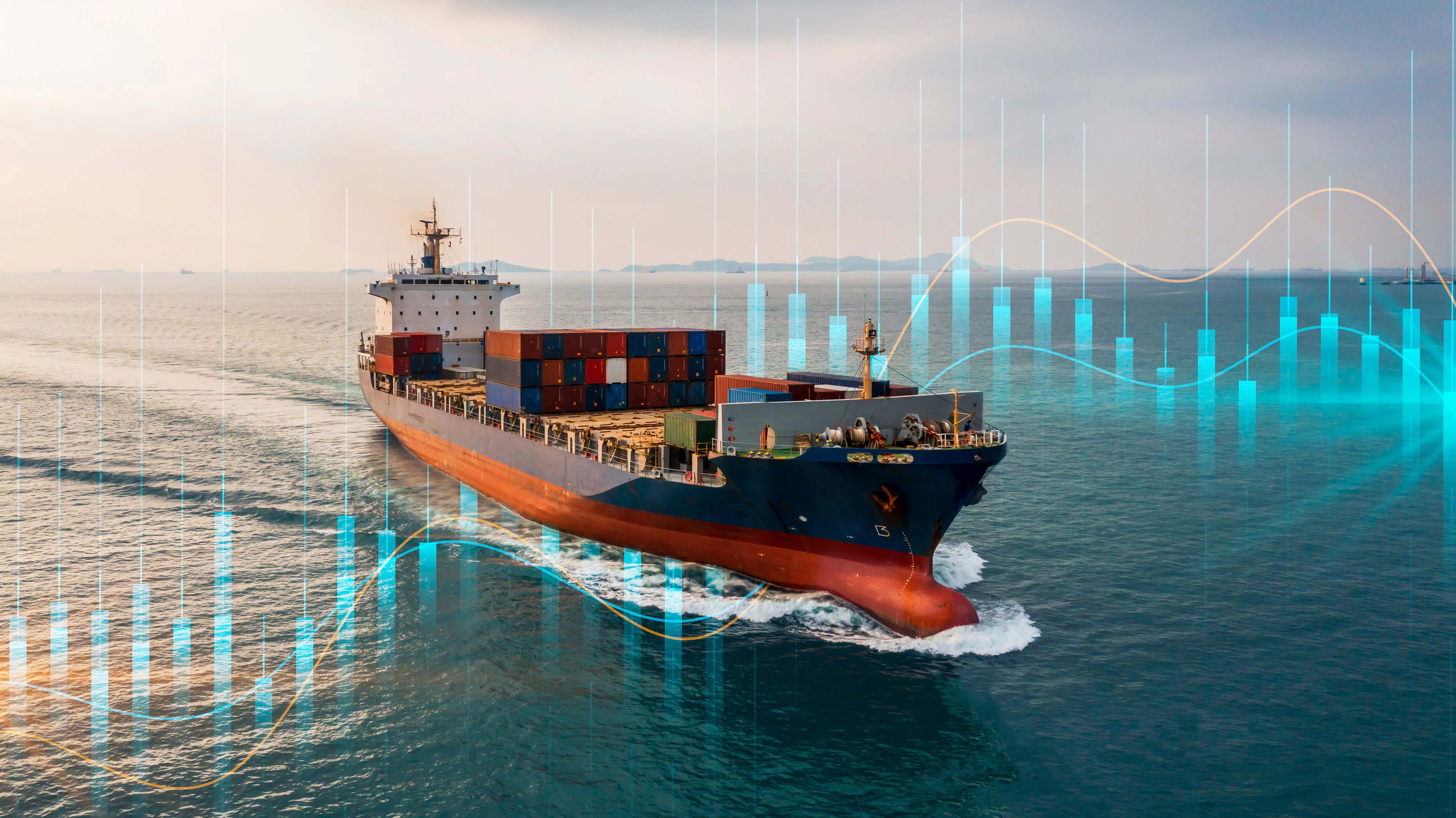
Whether you require sea or air freight, Röhlig Logistics develops a suitable door-to-door solution between China and Germany. Our teams coordinate pre-carriage, main carriage, on-carriage, document management and customs clearance, taking account of your cargo requirements and alternative gateways and routings.
Suitable packaging, security and monitoring solutions can be planned for batteries, dangerous goods, high-value electronics, temperature-controlled or shock-sensitive shipments. Early validation of master data, ICS2 data, tariff numbers and product documents reduces avoidable queries and supports predictable import clearance.
Sea Freight from China to Germany
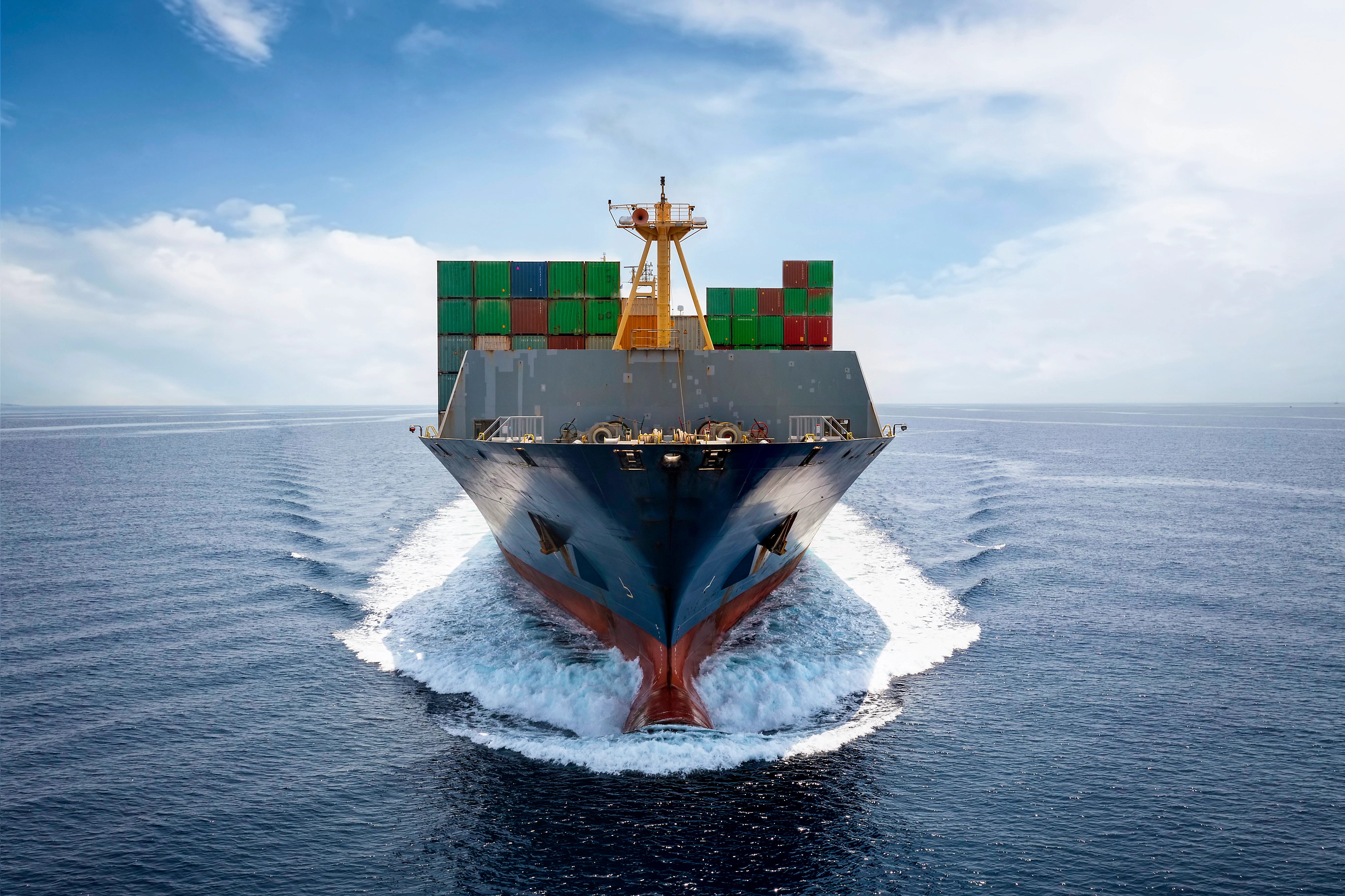
Key Seaports on the China–Germany Trade Lane
- Shanghai
China’s largest container port and a central origin for Asia–Europe services. - Ningbo-Zhoushan
A powerful deep-water port with frequent sailings and extensive Northern European connections. - Shenzhen/Yantian
A key gateway for the Pearl River Delta, electronics and consumer goods. - Qingdao
A major northern Chinese port and alternative for industrial clusters in northern and north-eastern China. - Guangzhou/Nansha
A large southern Chinese port with strong links to manufacturing regions and the hinterland. - Hamburg
Germany’s largest universal port and a central container gateway with strong China and hinterland links. - Bremerhaven and Wilhelmshaven
Important German North Sea gateways for containers, vehicles and industrial freight, including very large container vessels. - Rotterdam and Antwerp-Bruges
Major Northern European alternatives with onward transport to Germany by barge, rail or lorry.
Examples of Sea Freight Transit Times
- FCL Shanghai → Hamburg: depending on service and routing, often approximately 30 to 45 days port to port.
- LCL Shenzhen → Bremerhaven: often approximately 35 to 50 days port to port; pre-carriage, consolidation, import clearance and final delivery can make door-to-door lead time considerably longer.
- FCL Ningbo-Zhoushan → Wilhelmshaven: depending on rotation, often approximately 30 to 42 days port to port.
- Key considerations: current Suez or Cape routing, transhipment, cut-offs, export clearance, equipment availability and terminal utilisation.
Popular China–Germany Sea Freight Trade Routes
| Route | Key Facts |
|---|---|
| Shanghai or Ningbo-Zhoushan → Hamburg, Bremerhaven or Wilhelmshaven | Principal corridors for containerised, industrial, electronic and consumer goods from eastern China. |
| Shenzhen/Yantian or Guangzhou/Nansha → German North Sea ports | Important links for the Pearl River Delta and southern Chinese manufacturing clusters. |
| Qingdao or other northern Chinese ports → Northern Europe | Suitable services for machinery, tyres, chemicals, automotive and industrial cargo from northern and north-eastern China. |
| Rotterdam or Antwerp-Bruges → Germany | Alternative European gateways with onward transport by barge, rail or lorry. |
Under normal schedules, port-to-port transit is often approximately 30 to 45 days. Services involving transhipment usually take longer. If shipping lines divert around the Cape of Good Hope instead of using the Red Sea and Suez Canal, transit and surcharges may increase substantially. The precise impact depends on the carrier and service.
Air freight from China to Germany

Key Airports on the China–Germany Trade Lane
- Shanghai Pudong (PVG)
A leading international air-cargo gateway on mainland China, particularly for high-tech, electronics and industrial goods. - Beijing Capital/Daxing (PEK/PKX)
Important hubs for northern China. - Guangzhou (CAN) and Shenzhen (SZX)
Central gateways for southern China, express, e-commerce and electronics shipments. - Hong Kong (HKG)
One of the world’s largest air-cargo hubs and an important gateway for Greater China. - Frankfurt (FRA)
Germany’s largest air-cargo gateway with strong access to the European hinterland. - Leipzig/Halle (LEJ) and Cologne/Bonn (CGN)
Important express and e-commerce hubs with night operations. - Munich (MUC)
A significant option for industrial and high-tech cargo destined for southern Germany and the Alpine region.
Example of an Air Freight Shipment
- Shipment: 150 kilograms of high-value electronic components from Shanghai Pudong (PVG) to Frankfurt (FRA).
- Transit time: standard service generally five to nine days door to door; priority or express often approximately two to four days.
- Key considerations: confirmed capacity, secure packaging, export-control review, complete product and customs documents and coordinated handovers.
Popular China–Germany Air Freight Trade Routes
| Route | Key Facts |
|---|---|
| Shanghai Pudong (PVG), Beijing (PEK/PKX), Guangzhou (CAN) or Shenzhen (SZX) → Frankfurt (FRA) | Central routes for electronics, machinery components, pharmaceuticals and time-critical goods. |
| Hong Kong (HKG) → Frankfurt, Leipzig/Halle or other European hubs | An important gateway for high-value and urgent shipments from Greater China. |
| Other German gateways | Leipzig/Halle (LEJ), Cologne/Bonn (CGN) and Munich (MUC) may be suitable alternatives depending on express network, carrier, origin and destination. |
Standard air freight often takes five to nine days door to door. Priority and express solutions may achieve approximately two to four days. Airport-to-airport transit is shorter; collection, export clearance, capacity, import release and on-carriage determine the total lead time.
Customs & Import Regulations in the USA
Key Requirements
Key Requirements
- Commercial operators generally require a valid EORI number for customs activities in the EU. It must be used correctly in the customs declaration but does not have to appear on every commercial invoice as a universal rule.
- A complete commercial invoice, packing list and the relevant transport document are normally required. Customs may request a translation; English is common in practice but is not a universal statutory requirement for every invoice.
- Goods must be classified using HS, CN and TARIC. TARIC uses ten digits for imports; the German EZT may add an eleventh national digit, for example for import VAT or national restrictions.
- Advance security data for all modes is submitted through ICS2 in an Entry Summary Declaration. Responsibility and timing depend on the mode and business model; air freight also has pre-loading data requirements.
Special Regulations
Special Regulations
- Product safety and CE: CE marking is mandatory only for product groups covered by relevant harmonised EU legislation. Importers must review conformity, labelling, technical documents and, where applicable, an EU declaration of conformity. Other consumer products are governed in particular by the General Product Safety Regulation.
- Responsible economic operator: Products covered by the EU General Product Safety Regulation require a responsible economic operator established in the EU and the prescribed contact details.
- REACH and chemicals legislation: Substances, mixtures and certain articles may require registration, information, restrictions, SCIP notification or labelling.
- Batteries and dangerous goods: The UN 38.3 test summary, battery classification, state of charge, packaging and marks must be checked by product and mode. EU batteries legislation and extended producer responsibility may also apply.
- CBAM: The definitive regime has applied since 1 January 2026 to specified goods in cement, iron and steel, aluminium, fertilisers, electricity and hydrogen. An annual 50-tonne threshold generally applies to the mass-based sectors; commodity code, exemptions, importer status and embedded emissions must be checked.
- Wood packaging: Regulated solid wood must comply with ISPM 15 and carry the correct mark.
- Supply-chain due diligence: Businesses within the scope of the German Supply Chain Act must appropriately address human-rights and specified environmental risks. Suppliers outside the direct scope may be affected through customer requirements. The current legal and enforcement status must be observed.
- Packaging law: Businesses commercially placing packaged goods on the German market or importing them must assess the producer role and LUCID registration. System participation and volume reporting apply only to retail, grouped and shipment packaging subject to system participation; transport and specified industrial packaging have different obligations.
Duties & Charges
Duties & Charges
- There is no preferential free trade agreement between the EU and China. Third-country duty rates under the Common Customs Tariff and TARIC apply.
- Numerous Chinese goods may be subject to anti-dumping, countervailing or other trade measures, including specified steel, ceramic, chemical, solar-glass, e-bike or electric-vehicle products. The precise TARIC provision, manufacturer and additional codes are decisive.
- German import VAT is generally 19 per cent; a reduced rate of 7 per cent applies to specified goods.
- Customs value is generally based on transaction value and the additions required under Union customs law. Related-party transactions, royalties, tooling and assists require careful review.
- The €150 low-value relief generally applies only to customs duty, not import VAT. IOSS may simplify VAT for certain B2C distance sales not exceeding €150.
Typical risks
Typical Risks
- Chinese New Year: Before and after the holiday in January or February, production, lorry availability, customs processing and transport capacity may be heavily restricted.
- Golden Week and peak season: Around early October and often from August to October, utilisation, rates and the risk of short-notice schedule changes increase.
- Typhoons and extreme weather: Coastal regions may experience port closures, flight cancellations and disrupted pre-carriage.
- Equipment and capacity: Temporary shortages of 40-foot high-cube containers, reefers or special equipment may require replanning. Early booking reduces the risk.
- Red Sea route changes: Security-dependent Suez or Cape routings affect transit times, insurance conditions and surcharges.
- European hinterland: Strikes, construction, terminal peaks and high or low Rhine water levels may affect barge, rail and road transport.
- Compliance checks: Missing or inconsistent ICS2, customs, origin or product data may lead to holds and market-surveillance action.

Tips for Accelerated Customs Clearance in Germany
- Resolve classification before ordering; where continuing uncertainty exists, Binding Tariff Information can provide legal certainty.
- Submit the commercial invoice, packing list, transport and ICS2-relevant data early and consistently.
- Use precise goods descriptions rather than general terms such as “spare parts”, “electronics” or “gifts”.
- Check anti-dumping, countervailing, CBAM and other TARIC measures, and required manufacturer additional codes, before each new product.
- Make CE, GPSR, REACH, battery, packaging and other product documents available before arrival where applicable.
- AEO participants may benefit from simplified procedures and risk-based treatment, but this does not guarantee complete freedom from controls.
- A deferment account can support consolidated payment of import charges and improve liquidity planning.
- Select Incoterms® according to importer role, VAT registration, control of customs clearance and cost exposure. DDP, FOB and EXW are not inherently right or wrong.
- Retain non-preferential origin evidence where required for customers, trade measures or further processing.