Freight shipping from Australia to India
The contents on this page:
Trade lane details – trust our expertise
With the entry into force of the Australia-India Economic Cooperation and Trade Agreement (ECTA) on 29 December 2022, over 85% of Australian goods exports to India (by value) are duty-free; by 1 January 2026, this share will rise to 90%. Conversely, 96% of imports from India to Australia are duty-free—increasing to 100% by 2026. These market openings reduce costs, accelerate import processes, and improve predictability along the supply chain.
Future Outlook for Trade Between Australia and India
The close ties outlined above—spanning economy, politics, and culture—support the forecast of consistently growing cooperation. Particularly following the ECTA agreement, experts anticipate a significant increase in bilateral trade volume.
Furthermore, negotiations are underway for CECA (Comprehensive Economic Cooperation Agreement), which extends beyond trade to cover areas such as services, investment, the digital economy, and regulatory cooperation.
India's enormous demand for raw materials (ores) and energy (coal, LNG) for economic growth, urbanisation, and industrialisation complements Australia's abundant natural resources perfectly.
Key Export Goods from Australia to India
- Coal – Primarily metallurgical coal for steel production and thermal coal for power generation; this raw material accounted for approximately 70% of Australia's goods exports to India in 2023.
- Gold – Unprocessed and semi-processed precious metal for India's vast jewellery and investment market; this category represented around 11.8% of total export value in 2023.
- Energy products (excluding coal) – Primarily liquefied natural gas (LNG) to meet growing energy demand; the ECTA trade agreement has fixed the Indian duty on LNG at 0%, thereby securing supply chains.
- Agricultural products – Particularly pulses (lentils), wool, cotton, and nuts; this sector is gaining significant importance due to tariff reductions under the ECTA agreement and represents a growing share.
- Ores & metals (excluding gold) – Includes important industrial raw materials such as copper ores and alumina; Indian tariffs on these goods have been substantially reduced or entirely eliminated under the ECTA agreement.
Our Logistics Services at a glance
Australia
India
General Services
Certifications
Upcoming customer shipments
Röhlig: Strong Logistics Services for the Australia–India Trade Lane
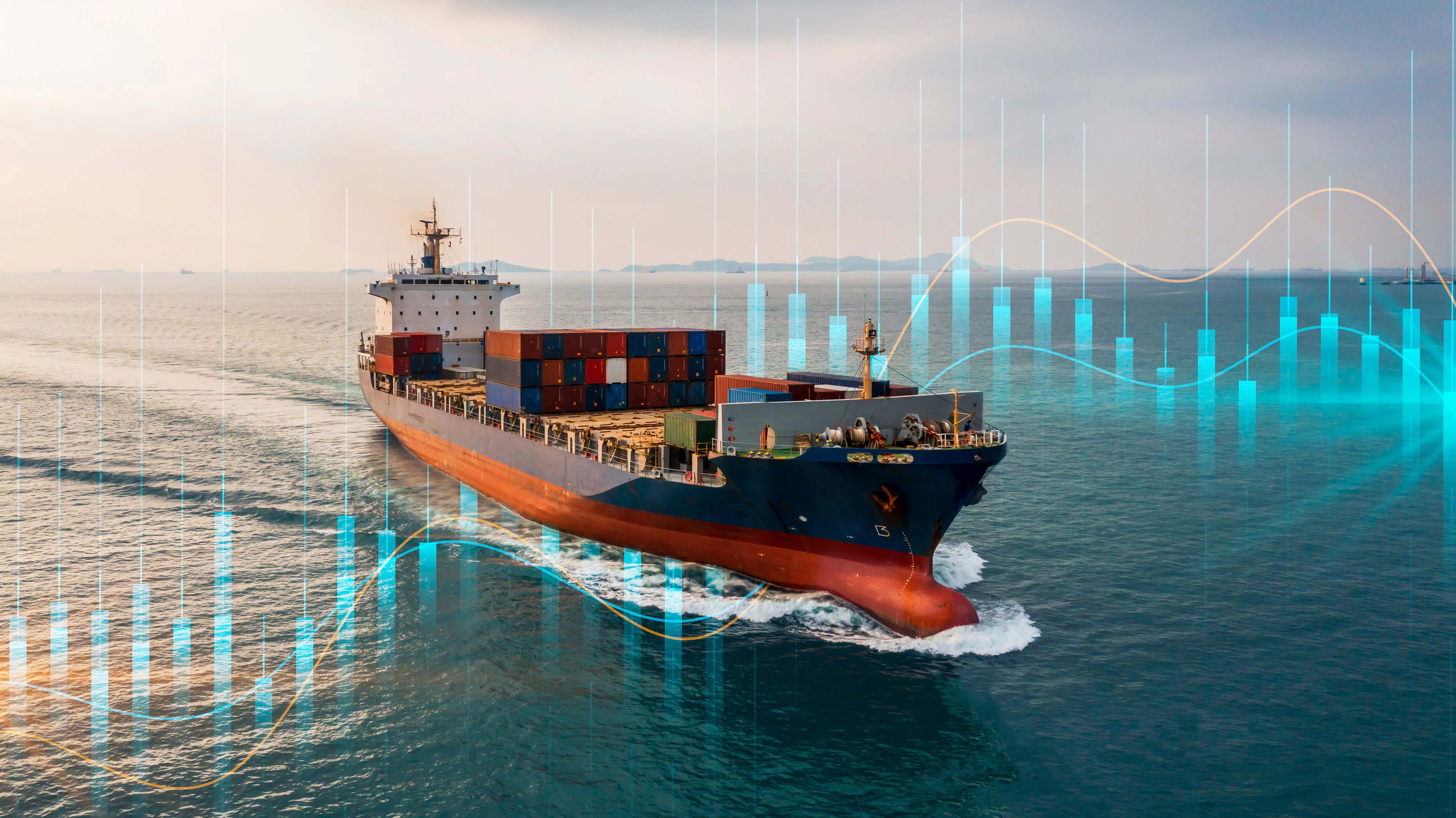
Whether sea freight or air freight—Röhlig Logistics offers you tailored door-to-door solutions along the entire transport chain, including pre-carriage and on-carriage, customs clearance, and document management. Our teams in Australia and India possess comprehensive knowledge of local regulations—from import licences to certifications such as BIS or FSSAI—and guide you safely through complex compliance requirements.
In addition, we handle project and dangerous goods logistics, cross-trade shipments, and temperature-controlled consignments for pharmaceuticals, food, or high-tech products. Our portfolio is complemented by 3PL warehousing and distribution services in both markets. Digital track-and-trace systems provide full real-time transparency, whilst optional cargo insurance comprehensively protects your goods.
For particularly time-critical or sensitive shipments, Röhlig additionally offers express and charter options in air freight as well as onboard courier services. You also benefit from our experience and global network for freight consolidation—whether by sea or air.
Sea Freight from Australia to India
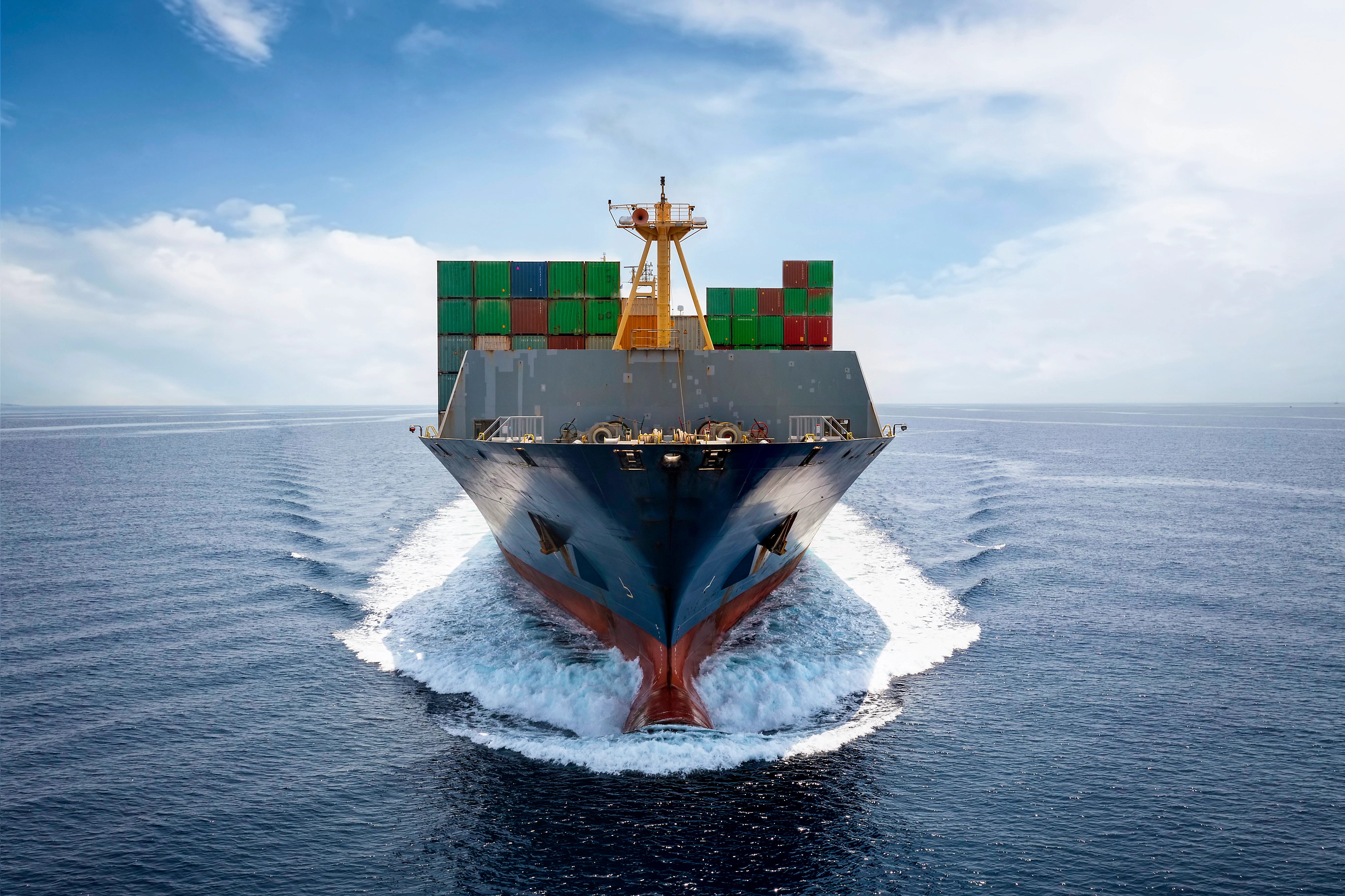
Key Seaports on the Australia–India Trade Lane
- Melbourne
Australia's largest container port with high capacity and broad export volumes, including agricultural and industrial goods - Sydney (Port Botany)
Central hub on the east coast with numerous Asia connections and modern infrastructure - Brisbane
Major port for the export of agricultural products and bulk goods from Queensland - Fremantle (Perth)
The most important deep-water port on Australia's west coast, a favourable starting point for routes to India and the Indian Ocean - Nhava Sheva (Mumbai)
India's largest container port, the main gateway for trade on the west coast and the most significant transshipment hub for freight traffic with Australia - Mundra
Deep-water port with state-of-the-art facilities and high handling capacity, specialising in industrial and bulk goods - Chennai
Leading port for South India, with a focus on the automotive industry, mechanical engineering, and consumer goods
Examples of Sea Freight Transit Times
FCL: 40' container Melbourne → Nhava Sheva (Mumbai)
Approximately 23–30 days (port-to-port)
LCL: 1,000 kg consumer goods Sydney → Chennai
Approximately 28–35 days (port-to-port), door-to-door: 45–55 days
FCL: 40' container Fremantle → Mundra
Approximately 15–25 days (port-to-port); attractive option for exports from Australia's west coast with a short distance to West India
Popular Australia–India Sea Freight Trade Routes
| Route | Key Facts |
|---|---|
| Melbourne / Sydney / Brisbane → Nhava Sheva (Mumbai) | High frequencies for consumer goods, machinery, and industrial products |
| Melbourne / Fremantle → Mundra | Alternative on the west coast of India, attractive deep-water access for large vessels |
| Sydney / Brisbane → Chennai / Ennore (Kamarajar) | Relevant for South India, including automotive and machinery clusters |
Typical transit times (port-to-port): Approximately 20–35 days, depending on departure/destination port, feeder/transshipment chains, and carrier rotations. Individual routes may be shorter or longer.
Air Freight from Australia to India

Key Airports on the Australia–India Trade Lane
- Sydney (SYD)
One of Australia's most significant airports for international air freight; central connection for high-tech, electronics, and pharmaceuticals to India - Melbourne (MEL)
Australia's second-largest cargo airport with high capacity for industrial goods, consumer products, and time-critical exports - Brisbane (BNE)
Important air freight hub on the east coast, strong in agricultural and food exports as well as express freight - Perth (PER)
Strategic location on the west coast, attractive option for faster transit times towards India - Delhi – Indira Gandhi International Airport (DEL)
One of India's largest air freight transshipment centres with a central role for North India and pharmaceutical logistics - Mumbai – Chhatrapati Shivaji Maharaj International Airport (BOM)
One of the country's largest air freight airports, specialising in electronics, fashion, and pharmaceutical goods - Bangalore – Kempegowda International Airport (BLR)
High-tech location with a focus on IT components and temperature-sensitive shipments
Example of an Air Freight Shipment
- Shipment: 150 kg high-tech components from Sydney (SYD) to Delhi (DEL)
- Transit time: 5–8 days (door-to-door)
- Typical use: For time-critical deliveries—such as urgently needed spare parts, temperature-controlled pharmaceutical shipments, or high-value electronics
Popular Australia–India Air Freight Trade Routes
| Route | Key Facts |
|---|---|
| Sydney (SYD) / Melbourne (MEL) → Delhi (DEL) | Primary connection for time-critical shipments, including pharmaceuticals, high-tech goods, and spare parts |
| Sydney (SYD) / Melbourne (MEL) → Mumbai (BOM) | Heavily used for electronics, textiles, and fashion items |
| Brisbane (BNE) / Perth (PER) → Bangalore (BLR) / Chennai (MAA) | Relevant for South Indian technology and automotive clusters |
Typical transit times (airport-to-airport): Approximately 5–8 days, depending on departure and destination airports as well as respective carrier networks. Express shipments can be delivered in 2–4 days.
Customs & Import Regulations in India
Key Requirements
Key Requirements
- Importer Exporter Code (IEC): Mandatory registration for all importers with the Directorate General of Foreign Trade (DGFT)
- Import licences: Required for sensitive product categories such as pharmaceuticals, electronics, food, and chemicals
- Product-specific certifications: e.g. BIS (Bureau of Indian Standards), FSSAI (food), CDSCO (medical devices)
- Wooden packaging: Treatment and marking in accordance with ISPM-15
- Labelling: Strict labelling requirements for consumer goods including MRP (Maximum Retail Price), country of origin, and importer address
Special Regulations
Special Regulations
- Phytosanitary & veterinary requirements for seeds, plants, and animal products
- Dangerous goods & environmental regulations—e.g. restrictions on chemicals or single-use plastics
- Technical products: Drones, UAVs, and used electronics require additional approvals (BIS/DGFT/DGCA)
- Weapons & ammunition: Only with special approval from the Ministry of Home Affairs
Duties & Charges
Duties & Charges
- Basic Customs Duty (BCD): Depending on HSN code, ad valorem or as a fixed amount
- IGST: Applies to all imports, identical to domestic GST rates (0–28%, depending on product or service), with input tax credit eligibility (GST = Goods and Services Tax: the value-added tax in India)
- Social Welfare Surcharge (SWS): Typically 10% of the basic customs duty
- Anti-dumping & Countervailing Duties (ADD, CVD): In cases of dumping prices or subsidies in the country of origin
- Safeguard duties & special levies: Temporarily applied to stabilise local markets, including for luxury and 'sin' goods such as tobacco or certain vehicles
- Customs clearance fees: Fixed charges for the processing of imported goods
Note: India does not have a general de minimis threshold as in the EU, USA, or UK. Even small shipments are subject to customs duties and taxes.

Tips for Accelerated Customs Clearance in India
- Advance Bill of Entry Submit your customs declaration before the shipment arrives. This allows the freight to be released more quickly upon arrival.
- AEO status Apply for Authorised Economic Operator (AEO) status. This enables you to benefit from expedited procedures, fewer physical inspections, and preferential treatment by customs authorities.
- Engage customs agents Work with licensed Indian customs brokers. They ensure correct HS code classification, compliance with all documentation requirements, and help avoid delays or penalties.
- Complete documentation Ensure that the commercial invoice, packing list, certificates (e.g. BIS, FSSAI, CDSCO), and proof of origin are complete. Incomplete documents are one of the most common causes of delays.
- Digital pre-notifications Use the ICEGATE system of the Indian customs authorities for electronic customs declarations. This saves time and reduces errors in data transmission.